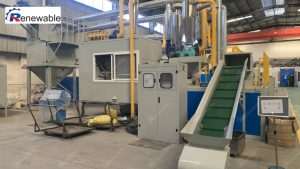
Single-shaft shredders, leveraging their high efficiency, flexibility, and cost-effectiveness, have emerged as critical equipment in the solid waste resource recovery value chain. Going forward, with the advancement of waste sorting policies and recycling technology upgrades, their applications in niche sectors such as electronic waste and agricultural residues are poised for further expansion.
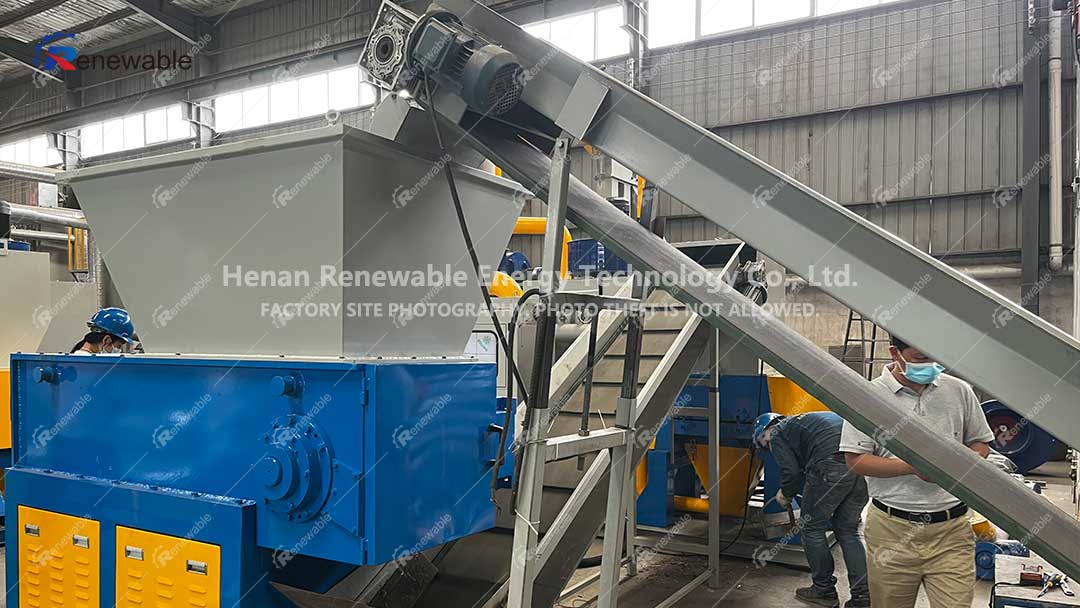
Single-shaft shredders, Primary Application Scenarios
The versatility of the single-shaft shredder enables its application across multiple industries:
1. Plastic Recycling: Processes waste agricultural film, PET bottles, PP woven sacks, etc., with shredded material directly reusable for pelletizing.
2. Wood Processing: Shreds wooden pallets, tree branches, and construction formwork into uniform chips (15-50mm), suitable for biomass fuel pelletizing or MDF (Medium Density Fiberboard) production.
3. Metal and Electronic Waste: Crushes aluminum cans, power cables, and printed circuit boards (PCBs) to separate metallic and non-metallic fractions.
Environmental Protection and Economic Benefits
1. Environmental Contributions: By reducing volume (e.g., an 80% reduction in plastic bottle volume), we lower transportation costs and minimize landfill space usage; we also promote the recycling of recoverable materials to reduce demand for primary resource extraction.
2. Cost Advantage: Compared to imported equipment, domestically produced single-shaft shredders offer 30%-50% lower prices, along with low replacement costs for wear parts (e.g., blades), making them ideal for small-to-medium-scale recycling enterprises.
Development Trends and Technological Innovation
1. Intelligent Monitoring: Integrated with IoT sensors, it enables real-time monitoring of parameters such as blade wear and bearing temperature, facilitating predictive maintenance through a cloud-based platform.
2. Customized Solutions: Develop corrosion-resistant models for special materials (e.g., medical waste, hazardous chemical drums) or design mobile integrated units to meet on-site shredding requirements.
3. Green Design: Utilizing noise-reducing enclosures, water-recirculating cooling systems, and renewable materials in manufacturing to further minimize environmental impact.