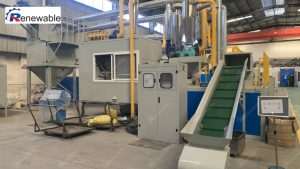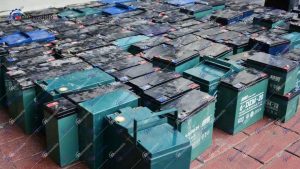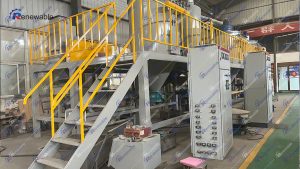
In the field of lithium-ion battery recycling, choosing the right equipment is crucial for efficient and sustainable operation. With the continued growth in demand for lithium-ion batteries, the need for efficient recycling solutions is becoming increasingly urgent. This article will guide you on how to choose the best lithium-ion battery recycling equipment. We will also explore the relevant process principles and highlight the advantages and unique features of these recycling devices.
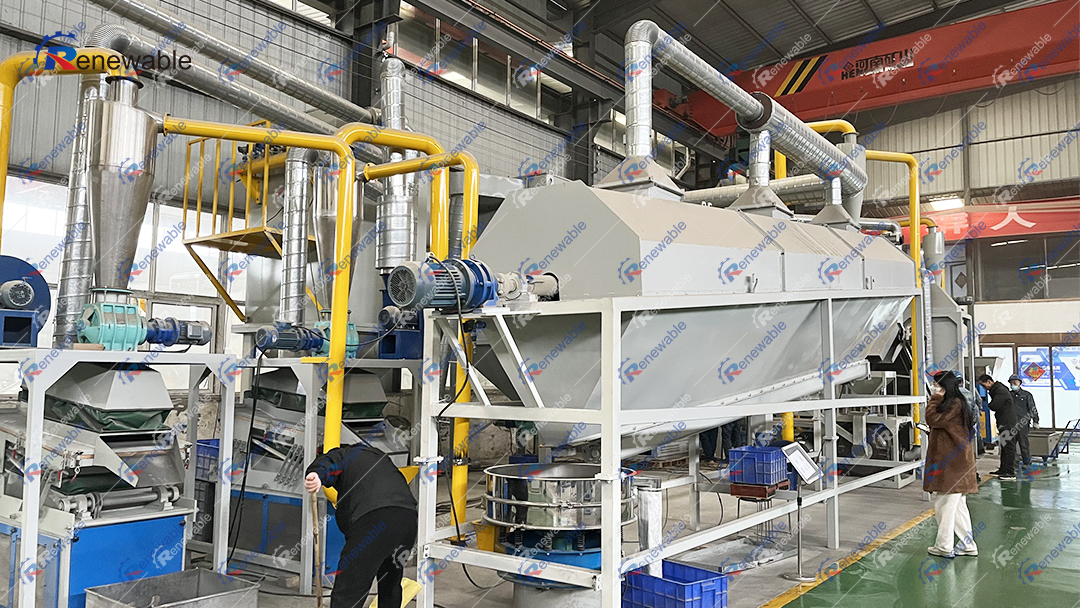
Lithium-ion battery recycling equipment utilizes a series of process principles to ensure efficient recovery of valuable materials while minimizing environmental impact. These process principles include:
1. Dismantling and Separation: The equipment uses advanced technology to dismantle the battery and separate its components. This process includes removing the casing, separating the electrodes, and separating the electrolyte.
2. Mechanical Crushing and Thermal Treatment: The recycling equipment uses mechanical and thermal treatment methods to further separate and recover valuable materials such as lithium, cobalt, nickel, and other metals. Techniques such as crushing, pulverizing, and smelting are used to extract these materials for reuse.
3. Purification and Refining: After separation, the materials undergo purification and refining processes to ensure their quality and suitability for reuse in battery manufacturing or other industries.
When selecting the best lithium battery recycling equipment, consider the following advantages and unique features:
1. High Efficiency: Choose equipment with high processing capacity to efficiently handle large volumes of lithium batteries. This ensures optimal resource utilization and maximizes the recovery of valuable materials.
2. Suitable Sorting Technology: Select appropriate sorting technology equipment, such as air classifiers and electrostatic separators, to achieve accurate identification and sorting of battery types. This improves the efficiency and effectiveness of the recycling process.
3. Safety Measures: Ensure the equipment has safety features for handling hazardous materials and preventing accidents. This includes dust and gas extraction, fire suppression, and personnel protection systems.
4. Environmental Compliance: Choose recycling machinery that complies with environmental regulations and standards. Look for equipment that minimizes emissions, wastewater, and waste generation throughout the recycling process.
5. Automation and Control Systems: Look for recycling machinery equipped with advanced automation and control systems. These systems optimize process efficiency, reduce human error, and provide real-time monitoring and data analysis to support decision-making.
6. Consider the durability and ease of maintenance of the machinery. High-quality machinery should be durable and require minimal maintenance. In the long run, this will save you time and money.
Choosing the best lithium battery recycling machinery is crucial for achieving efficient and sustainable operations. By understanding the principles of the recycling process and considering the advantages and unique features of the equipment, you can make an informed choice. When selecting machinery, remember to prioritize high efficiency, superior sorting technology, safety measures, environmental compliance, and flexible automation capabilities. By considering these factors, you can ensure that the chosen machinery meets your recycling needs and contributes to a more sustainable future.