With the industrialization and large-scale production of PCB manufacturing, and the widespread use of electronic products, the amount of electronic waste generated by human society in production and daily life is increasing.
Discarded PCBs contain heavy metals such as lead, mercury, and hexavalent chromium. If discarded carelessly, PCBs also contain flame retardants such as polybrominated biphenyls (PBBs) and polybrominated diphenyl ethers (PBDEs). These toxic chemicals not only pollute soil and water resources, endangering human health, but also waste resources that are difficult to recycle. Discarded PCBs contain nearly 20 kinds of non-ferrous and rare metals, possessing high economic value for recycling.
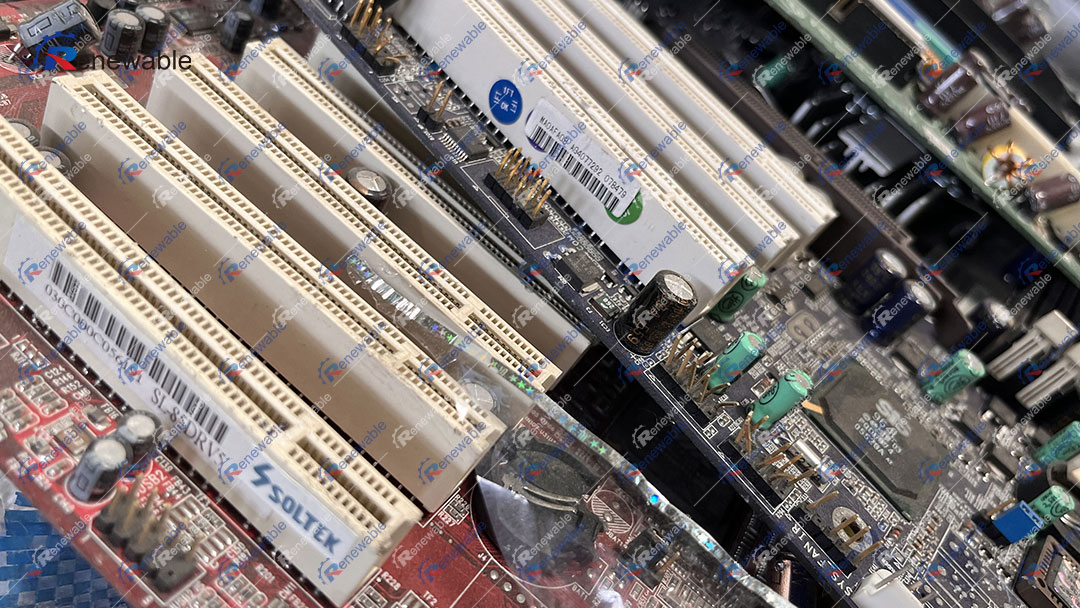
Today, we will discuss several methods for processing electronic waste:
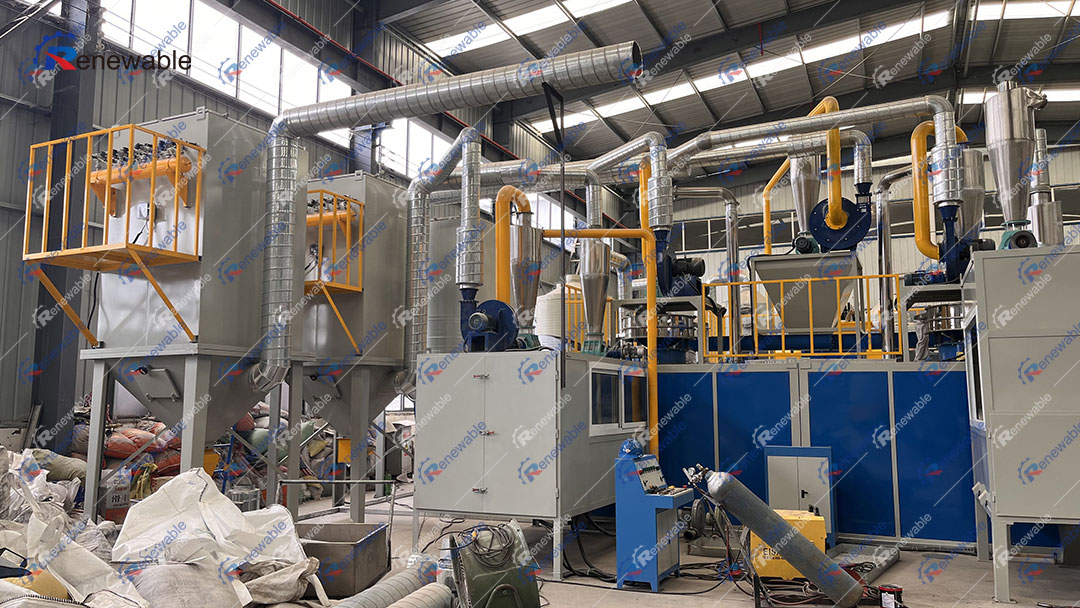
1. Physical Methods
Based on the different physical properties of PCBs, physical and mechanical methods can be used for recycling.
1.1 Crushing
Mechanically crushing PCBs separates their metals and organic matter, improving separation efficiency. When the crushed particles reach 0.6mm, the metal can be separated almost 100%, but the choice of crushing method and the number of stages depends on the subsequent processes.
1.2 Sorting
Based on differences in physical properties such as density, particle size, conductivity, magnetic permeability, and surface characteristics, the crushed material can be sorted using techniques such as vibrating screening, flotation, cyclone separation, flotation-sinking separation, and eddy current separation.
2 Supercritical Fluid Processing
This method does not alter the chemical composition of the PCB material. Supercritical fluids are dissolved separately through pressure and temperature, followed by extraction, separation, and purification. Compared to traditional extraction methods, supercritical carbon dioxide extraction is more environmentally friendly, easier to separate, has lower toxicity, leaves less or no residue, and has the advantage of operating at room temperature.
Supercritical processing technology is not without its drawbacks. For example, the extractant used in the extraction process is harmful to the environment; high-pressure, high-temperature extraction methods require expensive equipment and high energy consumption.
3 Chemical Methods
Chemical processing technology utilizes the differences in the stability of various chemical components in the PCB for extraction.
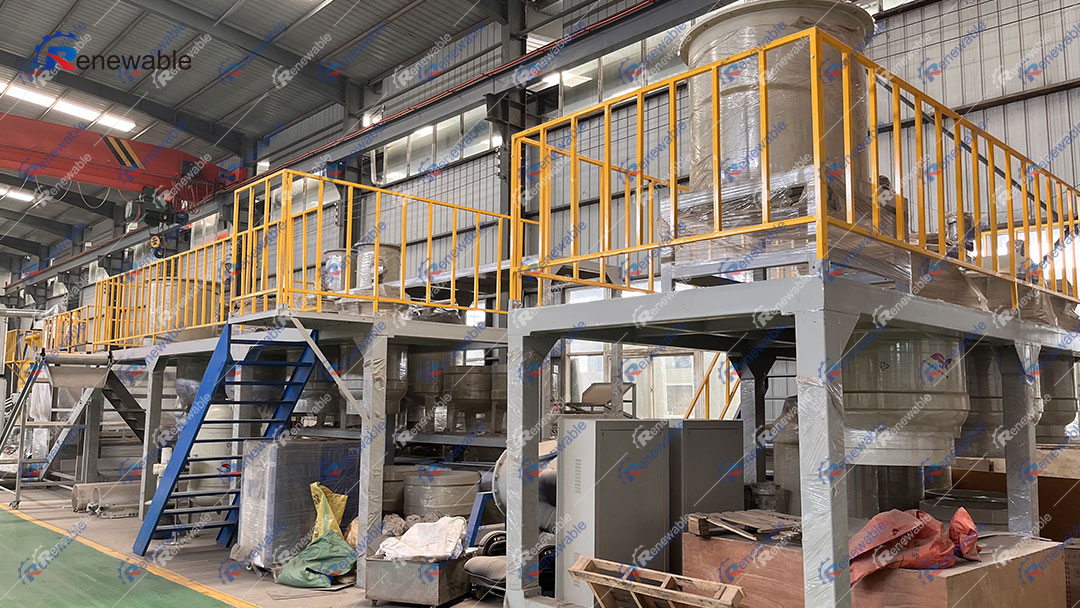
3.1 Thermal Treatment Methods
Thermal treatment methods utilize high temperatures to separate organic matter and metals. These methods include vacuum pyrolysis, incineration, and microwave treatment.
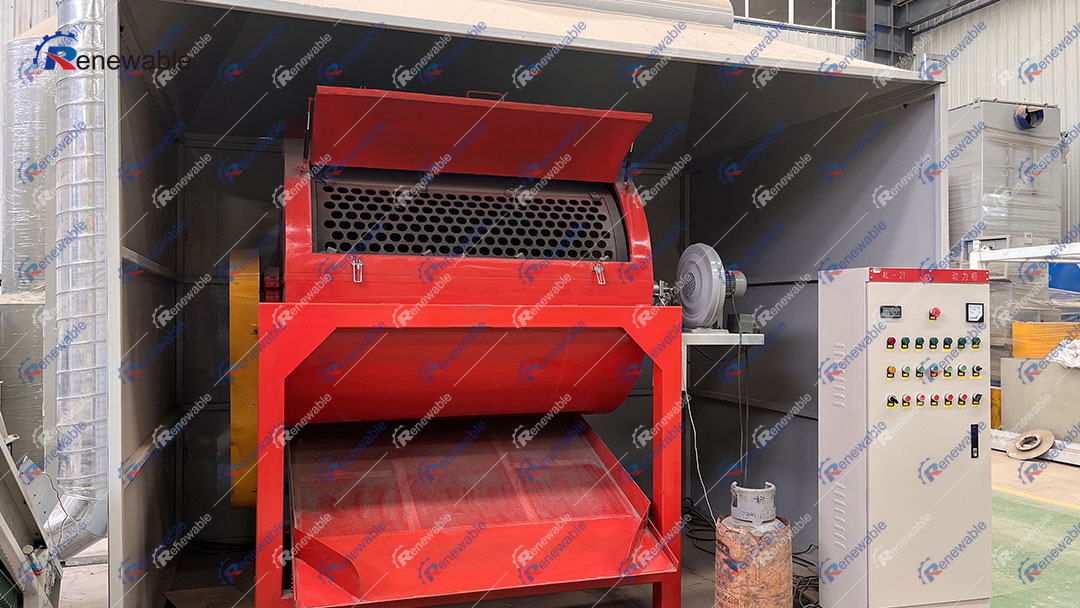
3.1.1 Incineration
Electronic waste is physically broken down into small particles and then fed into an incinerator to decompose the organic components. The residue after incineration consists of bare metals, metal oxides, and glass fibers, which can be recovered through physical and chemical methods after further crushing. The disadvantage of this method is the generation of large amounts of waste gas and toxic substances.
3.1.2 Pyrolysis
Pyrolysis, also known as dry distillation, involves heating waste PCB boards under anaerobic conditions, controlling pressure and temperature, to decompose organic matter into oil and gas, which is then condensed and collected for recovery. Unlike incineration, vacuum pyrolysis is conducted under anaerobic conditions, which can inhibit the formation of furans and dioxins, reducing environmental pollution.
3.1.3 Microwave Treatment Technology
Microwaves are used to heat electronic waste. When heated to approximately 1400℃, the heated glass fibers and metals vitrify. After cooling, metals such as gold and silver will automatically separate into small beads. The remaining glass products can be recycled and used as building materials. Compared with traditional methods, this method has advantages such as high efficiency, high speed, high resource recycling rate, and low energy consumption.
3.2 Hydrometallurgy
Hydrometallurgy technology involves placing printed circuit boards (PCBs) in acidic solutions such as nitric acid, sulfuric acid, and aqua regia to extract and recycle metals from electronic waste. It is currently the most widely used method for electronic waste treatment. Compared with pyrometallurgy, hydrometallurgy has advantages such as lower waste gas emissions, easier handling of residues after metal extraction, significant economic benefits, and a simpler process flow.
4 Biotechnology
Biotechnology utilizes the adsorption and oxidation processes of microorganisms on mineral surfaces.
1. Microbial adsorption can be divided into using microbial metabolites to fix metal ions
Using the hydrogen sulfide produced by bacteria to fix, when the surface of the bacteria is saturated with ions, it can form flocs and settle down;
2. Using microorganisms to directly immobilize metal ions
Utilize the oxidizing properties of ferric ions to oxidize gold and other metals in precious metal alloys into soluble matter and dissolve them in the solution so that precious metals can be exposed and recovered.
The biotechnology extraction process is simple, low in cost, and easy to operate, but the leaching time is long and the yield is low, so it has not yet been put into use.
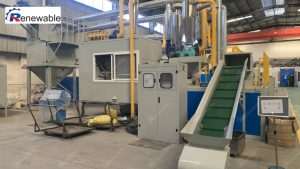
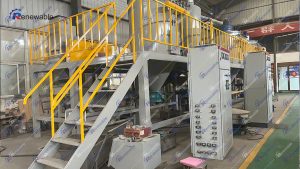
Conclusion E-waste has complex and diverse characteristics, and it is difficult to recycle it completely by a single recycling technology. The e-waste treatment technology needs to be continuously optimized to maximize resource recovery, scientific and industrialized treatment technology. In short, the processing and recycling of waste PCBs can not only protect the environment and prevent pollution, but also facilitate the recycling of resources and promote sustainable social and economic development. As a professional e-waste recycling equipment solution provider, Henan Renewable Energy Technology Co., Ltd. has rich experience and first-class technical equipment in e-waste, especially circuit board recycling. E-waste recycling plant is used to recycle various PCB circuit boards, such as computer boards, mobile phone boards, TV boards, home appliance circuit boards, etc. The whole production line consists of two parts: 1. PCB Dismantling Machine, you can get complete electronic components, tin, motherboard, 2, Bare Board Recycling Line, you can get mixed metal powder and non-metallic powder. Of course, precious metal powder can also be extracted again through precious metal refinery to get gold, silver, palladium, platinum, copper, iron, etc., and the separation purity can reach 99%If you want to know relevant information or have needs, please feel free to contact us for consultation.