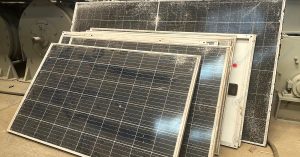
With the development of society, the production of aluminum-plastic products is increasing, and so is the amount of aluminum-plastic waste generated. This massive amount not only pollutes the environment but also results in significant resource waste, severely impacting the human living environment and quality of life. The widespread application of aluminum-plastic composite materials in packaging, electronics, construction, and other fields (such as food packaging, pharmaceutical blisters, and thermally amorphous aluminum profiles) presents recycling challenges. Traditional landfill or incineration methods not only waste resources but also release highly toxic substances such as dioxins. The emergence of aluminum-plastic separation equipment provides an industrial solution to this problem.
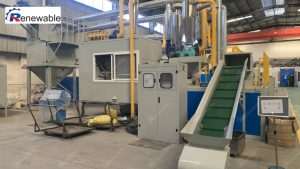
The aluminum-plastic separator utilizes dry physical separation technology. It first collects waste aluminum-plastic products, then manually feeds the materials directly into the separator. The separator uses a crusher for dry pulverization. Secondary crushing, tertiary pulverization, and electrostatic separation are then performed to separate the aluminum powder from the plastic. The resulting pulverized material forms an aluminum-plastic powder mixture, which then enters a gravity separator where high-voltage electrostatic separation separates the aluminum metal and plastic. This automated production line saves labor and requires only one or two people to operate. The entire process is cost-effective and highly efficient, easily installed on production lines, and available in a variety of assembly options to accommodate diverse sites. The separation purity reaches up to 99%. The aluminum-plastic separation process requires no water or heating, generating no wastewater or exhaust gas, and causing no environmental pollution.
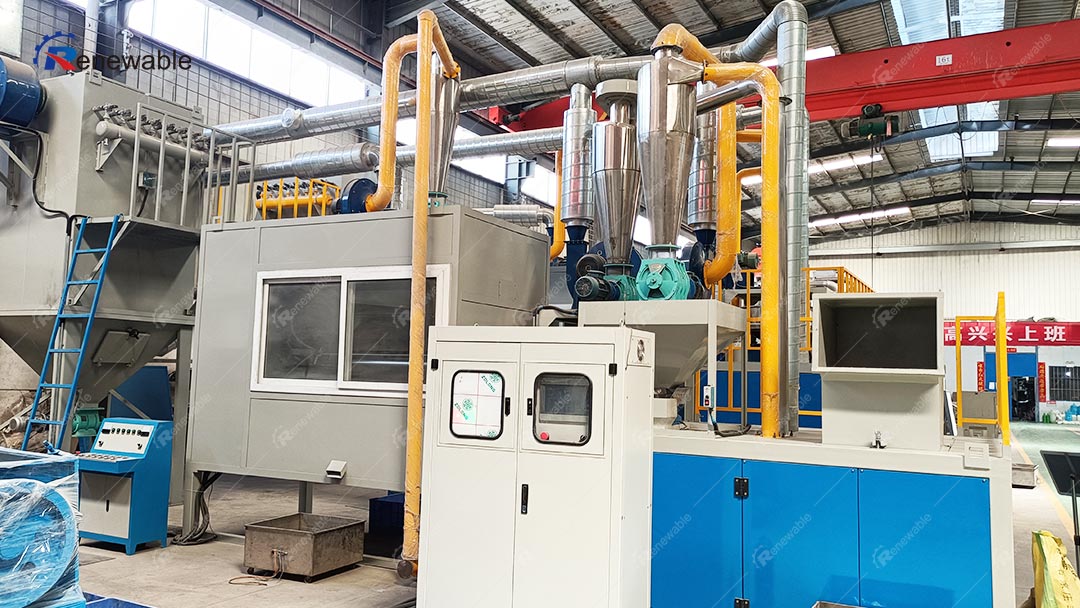
Aluminum-plastic separation equipment has evolved from a simple sorting tool into a core node in resource recycling, providing key technical support for the global circular economy. Its primary function is to process various waste aluminum and plastic products generated in daily life. Through crushing and sorting, it completely separates aluminum from plastic, enabling resource recycling and repurposing, generating significant economic benefits while mitigating environmental pollution caused by the accumulation of large quantities of waste aluminum and plastic products.
This aluminum-plastic separation machine can automatically process and screen waste aluminum and plastic materials efficiently and environmentally friendly, providing an effective solution for the reuse of aluminum and plastic waste, achieving both resource utilization and ecological sustainability. In this way, aluminum-plastic crushing and sorting technology effectively balances waste treatment safety, environmental friendliness, and economic benefits.