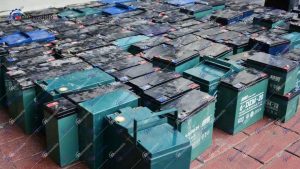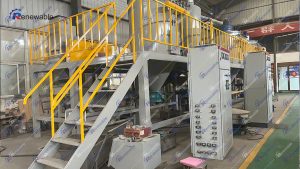
As major economies further clarify their carbon emission commitments, support and incentive policies for the green economy will become more proactive. From traditional auto giants to emerging automakers, high-quality new energy vehicle models will be launched in large quantities, and the surge in supply will stimulate demand. The irreversible trend towards intelligent and electrified vehicles in the automotive industry will drive continued growth in demand for lithium batteries.
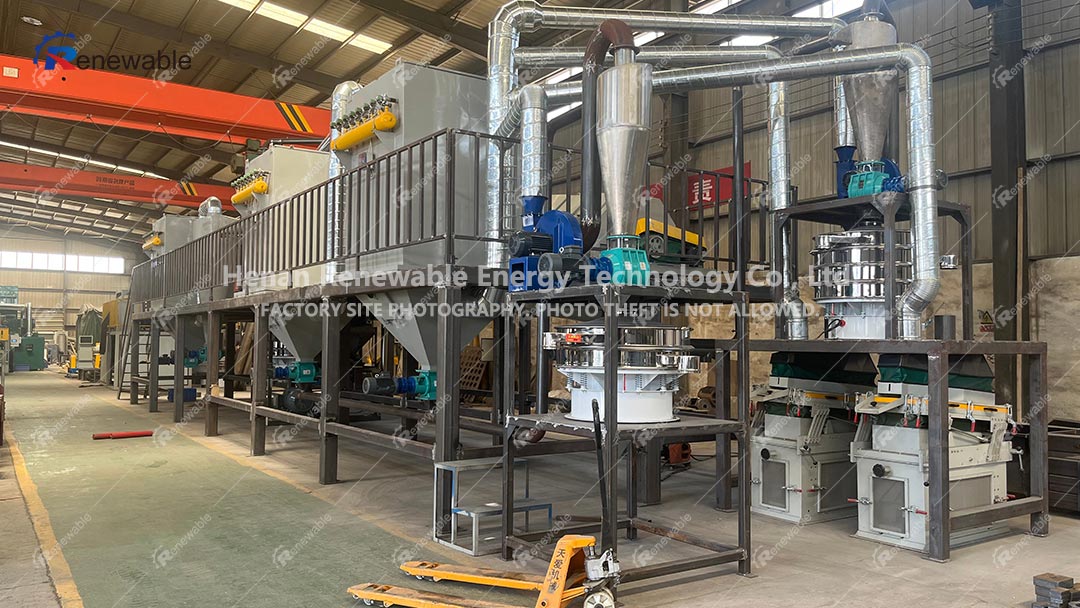
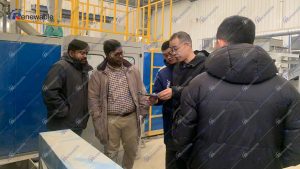
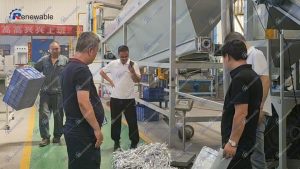
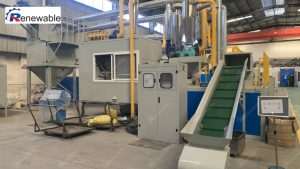
The recycling process for used lithium batteries primarily involves crushing, sorting, and purification. First, the used lithium batteries are crushed into small pieces. Then, separation methods such as air separation and magnetic separation are used to separate the metals and harmful substances in the batteries. Used lithium battery processing equipment utilizes advanced physical and mechanical sorting technology to efficiently crush and sort the used lithium batteries, ultimately recovering a variety of components such as graphite powder, lithium cobalt oxide, aluminum, and copper. This processing method not only improves resource utilization, but also ensures an environmentally friendly and pollution-free recycling process with a fully enclosed conveying system and deodorization and dust removal system, meeting current environmental standards.
This physical separation method prevents environmental pollution caused by improper battery handling. Directly discarding the chemicals in used batteries can seriously contaminate soil and water sources, damaging the ecological environment. Effectively utilizing these used batteries can reduce their impact on the environment. This approach integrates innovative technologies such as automated disassembly and sorting, as well as direct recycling of battery materials.