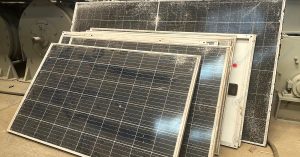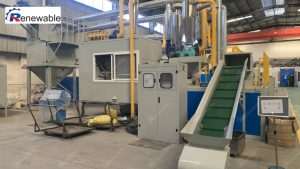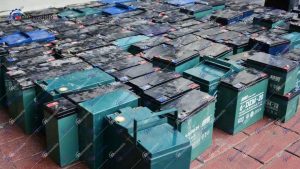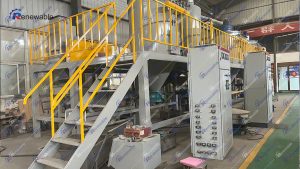
With the construction of large-scale photovoltaic power plants and the dramatic increase in the number of photovoltaic panel installations, the issue of recycling discarded photovoltaic resources has become increasingly prominent. Photovoltaic panels contain precious and rare materials. If they cannot be effectively recycled, it will not only cause waste of resources, but also result in environmental pollution if old photovoltaic panels are disposed of through burial, incineration, and other means. The reason is that they contain components such as fluorinated backboards. So, how should they be disposed of?
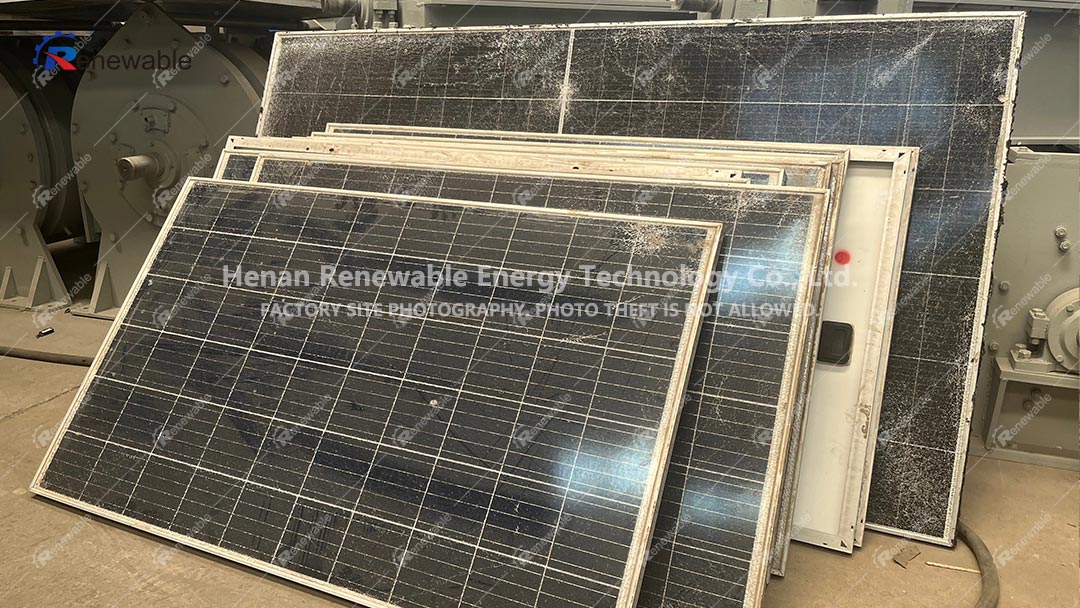
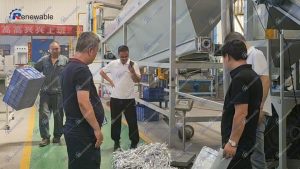
The core material in photovoltaic panels, crystalline silicon, is a rare resource that can be extracted to produce high-purity silicon metal, which can be used to manufacture new photovoltaic panels or other high-tech products. In addition, other materials in photovoltaic panels, such as glass, aluminum frames, etc., can also be recycled. The dismantling and recycling equipment for waste photovoltaic panels can quickly and accurately decompose the panels, separating valuable materials such as silicon, silver, glass, etc. These materials can be reused to produce new photovoltaic panels or other related products, thereby achieving resource recycling.
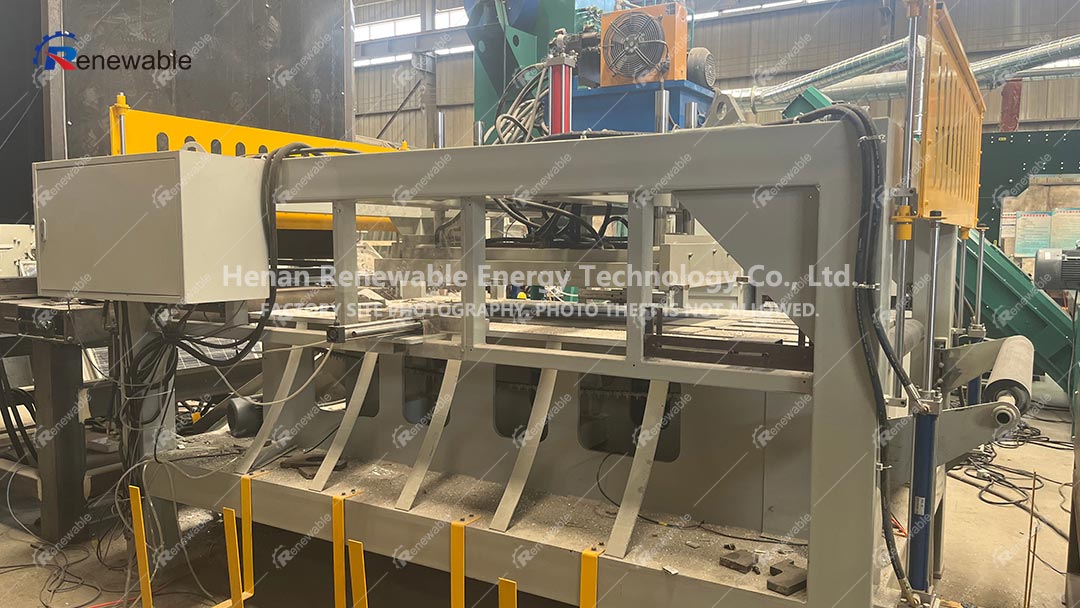
With the continuous evolution of technology and the increasing market demand, the development prospects of solar photovoltaic panel separators will be even broader. The process used in the crushing and recycling equipment for waste photovoltaic panels is currently advanced physical sorting technology, which is mature and can effectively reduce the harm to the environment, achieving the dual significance of environmental protection and benefits.