With the rapid development of technology and the proliferation of electronic devices, the market for recycling used lithium-ion batteries is enormous, and resource recycling offers numerous benefits. In the future, with improved markets and policies, the recycling rate of used lithium-ion batteries will be even higher.
Battery costs account for 36% of the total cost of power batteries, reaching as high as 49% after deducting gross profit; the proportion is even higher in consumer batteries. Within batteries, the cost of cathode materials, rich in metals such as nickel, cobalt, and manganese, accounts for as much as 45%. By recycling raw materials from used lithium-ion batteries, the recovery rate of metals such as nickel, cobalt, and manganese can reach over 95%, and the lithium recovery rate exceeds 70%, resulting in significant economic benefits.
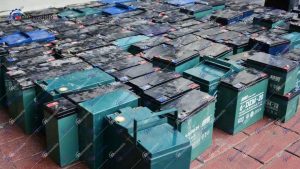
For lithium batteries that cannot meet current application needs, recycling can effectively realize their “residual value”: For lithium cobalt oxide batteries and ternary lithium batteries used in consumer scenarios, lithium, cobalt, and other metal elements and their casings can be recycled; for power batteries with more complex structures and components, there are two recycling modes: cascade utilization and raw material recycling: (1) Power batteries whose capacity cannot meet the needs of new energy vehicles but have a long cycle life can be cascaded for use in the energy storage field; (2) For batteries with significantly reduced cycle life, renewable resources such as metal oxides, organic electrolytes, and plastic casings can be extracted.
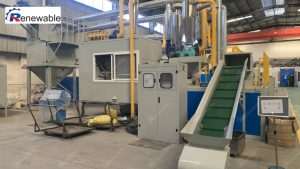
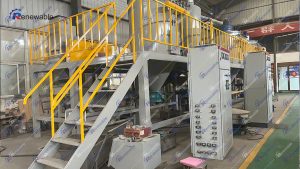
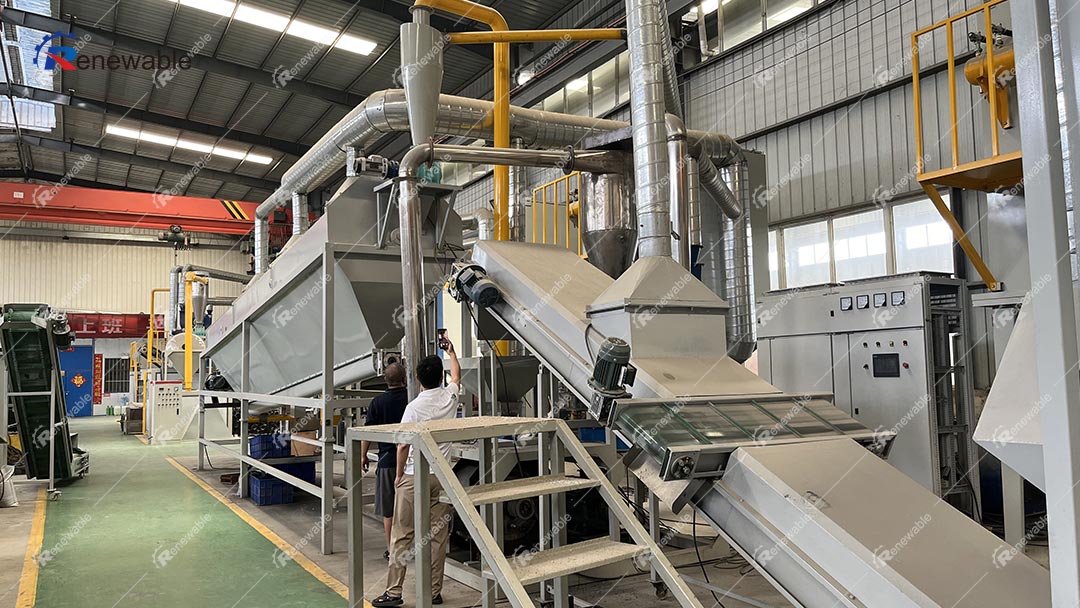
Pretreatment of waste lithium-ion batteries mainly targets the following types of waste batteries: lithium iron phosphate batteries, ternary batteries, nickel-metal hydride batteries, and other cathode materials. Pretreated materials are more conducive to acid leaching of valuable elements in waste materials. Waste secondary batteries consist of metal or plastic casings and battery cells. The total organic content in waste battery cells is 3-6%, with the remainder being inorganic metal compounds; organic matter mainly includes organic adhesives, electrolytes, and non-woven fabrics. The pretreatment process primarily separates valuable elements from waste batteries and waste cathode materials from plastics, battery casings, and graphite. Valuable metals are recycled for the preparation of high-purity compounds, while plastics, battery casings, and graphite are separated and sold to companies with relevant processing qualifications.
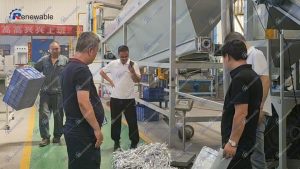
As a professional manufacturer of waste lithium battery recycling equipment, Reno possesses extensive experience and state-of-the-art technology and equipment in the field. We can customize lithium battery recycling solutions to meet the specific needs of different clients. If you are interested in lithium battery recycling or have related needs, please contact us directly for consultation.