Recycling Value of Solar Panels
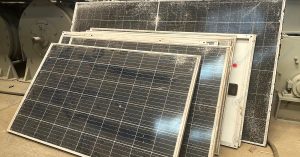
Most waste photovoltaic (PV) panel modules can be recycled, including 65%-75% glass, 5%-10% aluminum frames, 10% plastic (encapsulation machine and backsheet), 3%-5% silicon, 1% copper, and less than 0.1% silver, tin, lead, etc. These modules have extremely high recycling value, with a recycling rate of over 95%. Macquarie University in Australia estimates that the economic value of materials contained in 800,000 tons of photovoltaic waste is approximately US$1.25 billion. Since PV panels contain over 70% high-transmittance glass, they can be processed into channel glass for use as building materials for photovoltaic walls or laid on sidewalks to continue generating electricity; silicon cells can be recycled into powder for use as heat dissipation materials. The precious metal silver contained within can be recycled; the polyvinylidene fluoride (PVDF) in the backsheet can be made into Teflon, thereby maximizing recycling value. Recycling PV modules is inexpensive and pollution-free, and recycled materials can also be used to make new PV modules.
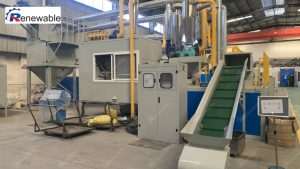
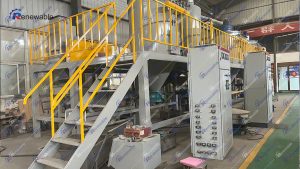
A solar photovoltaic (PV) module recycling machine is a new type of environmentally friendly processing equipment specifically designed for handling waste solar PV modules. With the development of new energy sources, the application of solar PV modules is becoming increasingly widespread, leading to a large number of modules needing to be scrapped and disposed of. These waste PV modules contain hazardous substances, and improper handling can cause environmental pollution. Therefore, the solar PV module recycling machine has become a key intelligent device for solving this problem.
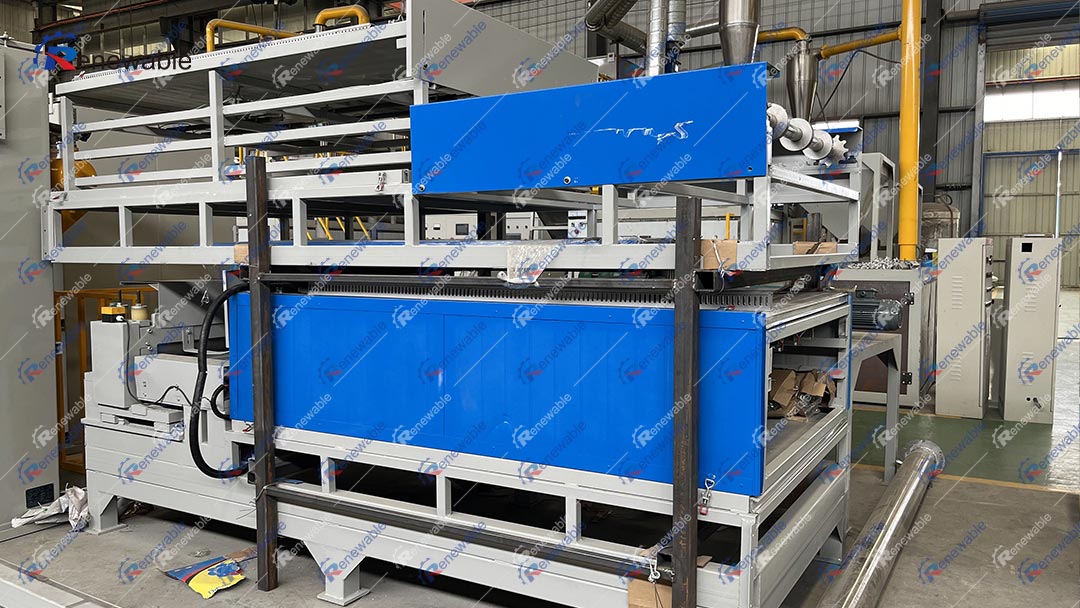
Working Principle of the Solar PV Module Recycling Machine:
After removing the aluminum frame, the waste solar PV modules enter an automatic sorting system. During the crushing process, the system can effectively separate materials such as aluminum and plastic, achieving recycling. This system uses advanced recycling technology, which can efficiently separate different types of materials, thereby improving the overall recycling rate. Using this equipment, waste solar PV panels can be effectively recycled, reducing environmental impact and alleviating resource shortages. The valuable recycled materials can be used to produce new solar PV modules, achieving resource recycling.
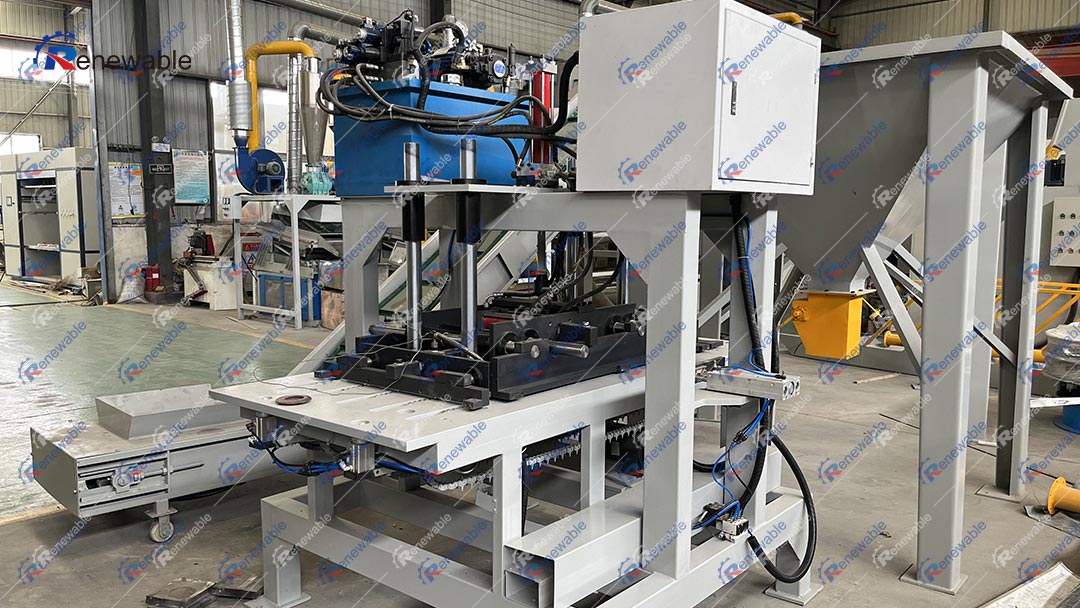
Post-Recycling Material Analysis:
The sorted metal materials can be sent to various industries for reuse. For example, the glass shells can be used in glass manufacturing, the aluminum frames can be sent to aluminum refineries, waste plastics can be used as fuel in cement plants, and silicon can be used in the precious metals industry.
The application of solar photovoltaic module recycling machines not only helps reduce environmental pollution but also effectively conserves resources and promotes resource recycling. This innovative recycling method aligns with the principles of sustainable development and the circular economy, paving the way for more efficient resource utilization and a greener future.