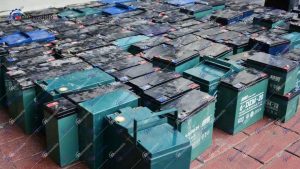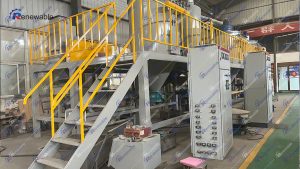
With the widespread use of lithium-ion batteries in electronic devices and electric vehicles, the importance of lithium-ion battery recycling is increasingly prominent. This process not only helps reduce environmental pollution but also effectively recovers valuable metal resources such as lithium, cobalt, and nickel. Considering the finite nature of these metal resources, recycling can not only alleviate resource shortages but also help reduce dependence on new minerals, thereby promoting sustainable development.
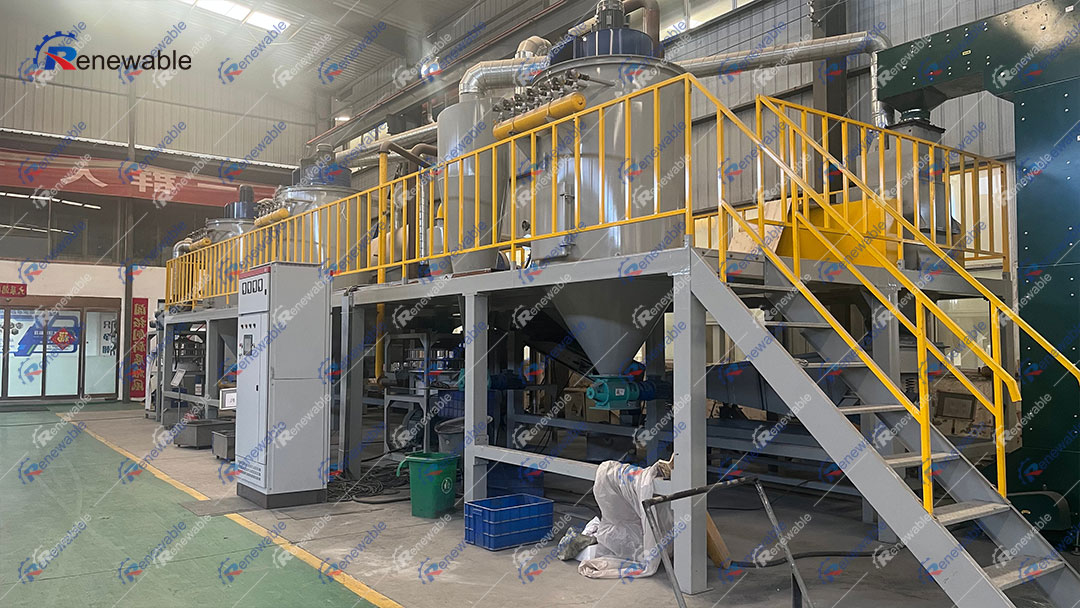
The lithium-ion battery recycling process typically includes the following key steps:
1. Collection and Transportation
The collection and safe transportation of used lithium-ion batteries is the first step in the recycling process. Efficiently completing this step is a crucial foundation for subsequent recycling work.
2. Discharging and Disassembly
To ensure safety, used batteries need to be fully discharged and then disassembled into individual components for further processing.
3. Sorting and Crushing
At this stage, the different materials of the battery are sorted and crushed so that subsequent material separation can be carried out more efficiently.
4. Material Separation
Through physical and chemical methods, the pulverized materials are separated to extract precious metals such as lithium, cobalt, and nickel, as well as other important materials.
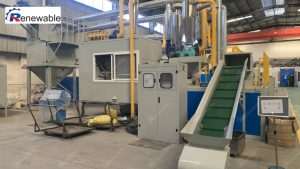
Modern lithium battery recycling equipment has made significant progress in sorting, pulverizing, and separating:
Sorting Equipment: Utilizing advanced sensing technologies such as X-rays and lasers, different types of battery materials can be efficiently identified and sorted.
Pulverizing Equipment: Employing high-efficiency pulverizers, battery materials are pulverized into fine particles, increasing the surface area of the materials and thus facilitating subsequent separation processes.
Separation Equipment: Employing technologies such as magnetic separation, flotation, and electrolysis, precious metals such as lithium, cobalt, and nickel can be efficiently separated.
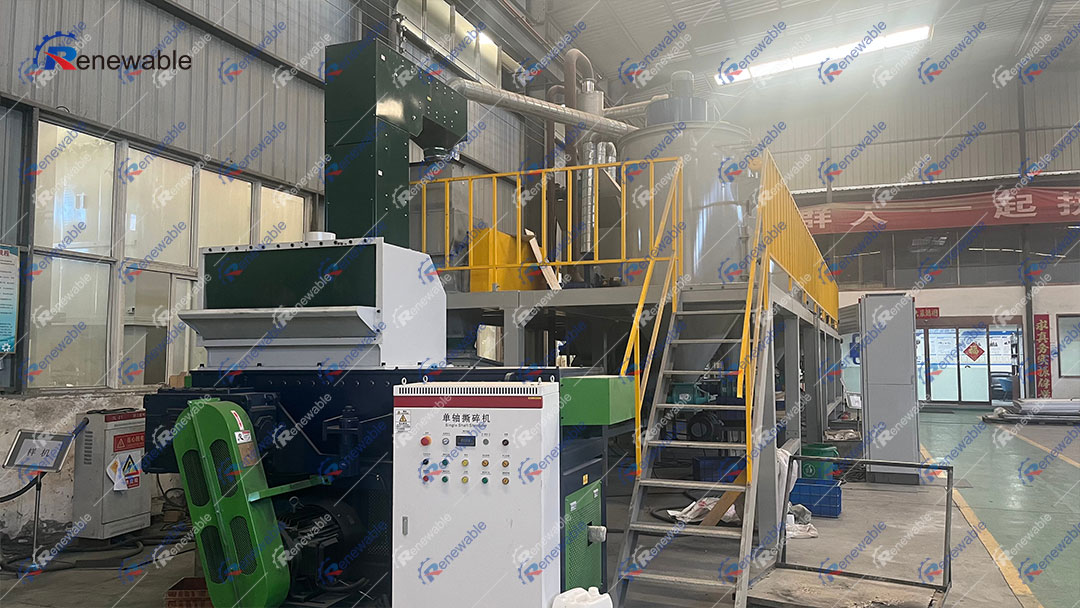
Advanced lithium battery recycling equipment plays a crucial role in environmental protection and resource recovery. This type of equipment not only improves recycling efficiency but also reduces negative environmental impacts. With continuous technological advancements, lithium battery recycling equipment will continue to play an important role in sustainable development.