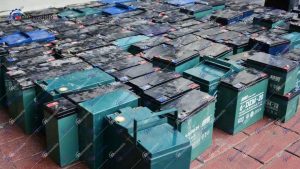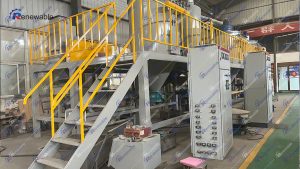
When renewable energy is mentioned, many people first think of environmental protection, cleanliness, low carbon emissions, and green living. It is well known that while using renewable energy is harmless to the environment, and the process of converting solar, wind, and hydropower into electricity is relatively environmentally friendly, the equipment used to convert renewable energy into electricity can pollute the environment. Currently, the recycling of solar panels has become a hot topic in the industry.
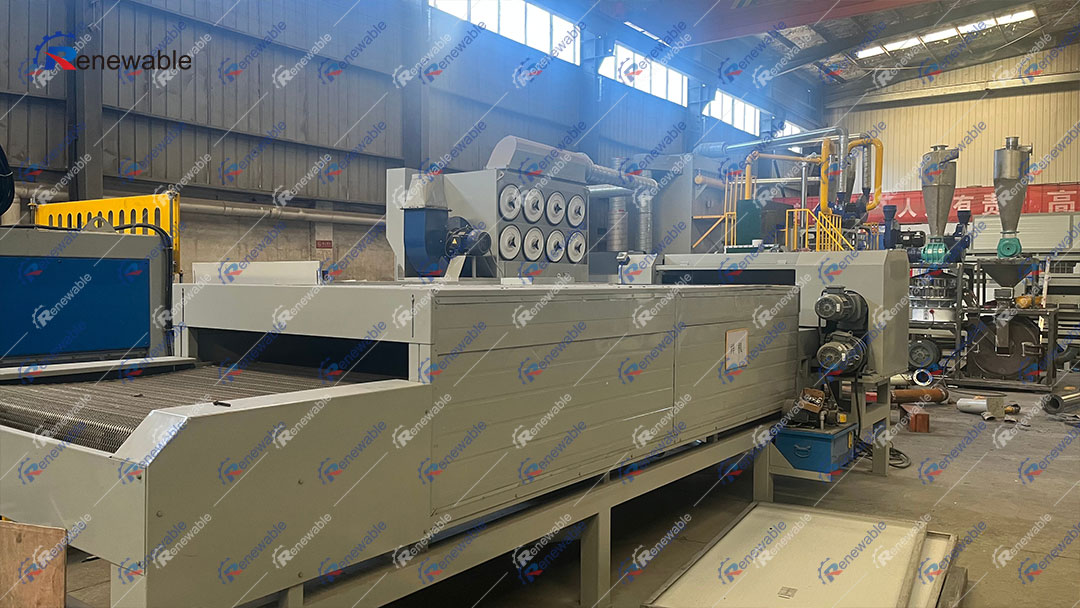
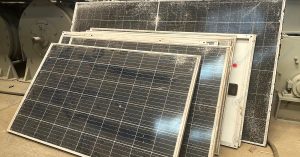
Solar Panel Structure
The theoretical lifespan of a solar panel is about 30-40 years, but decades of exposure to wind and sun, as well as daily wear and tear, accelerate its aging, resulting in an actual lifespan of typically only 20-25 years. It is estimated that by 2030, the global amount of waste solar panels will reach 8 million tons, and by 2050, it will reach 80 million tons. When currently used solar panels reach the end of their service life, how to dispose of the large amounts of hazardous materials will become a major issue in the field of environmental protection.
Recycling Value of Solar Panels
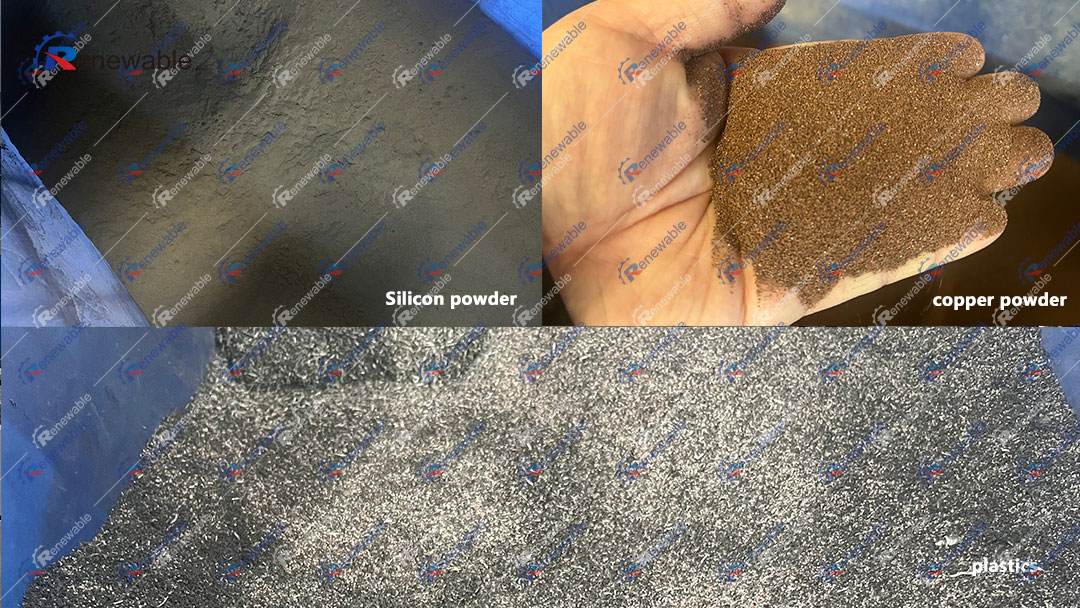
Most waste photovoltaic (PV) panels are recyclable, including 65%-75% glass, 5%-10% aluminum frames, 10% plastic (encapsulation machines and backsheets), 3%-5% silicon, 1% copper, and less than 0.1% silver, tin, and lead. These components have high recycling value, with a recovery rate exceeding 95%. Macquarie University in Australia estimates the economic value of materials contained in 800,000 tons of photovoltaic waste at approximately US$1.25 billion. Since PV panels contain over 70% high-transmittance glass, it can be processed into channel glass for use as building materials for photovoltaic walls or laid on sidewalks to continue generating electricity. Silicon cells can be recycled into powder for use as heat dissipation materials. The precious metal silver contained within can also be recycled. The polyvinylidene fluoride (PVDF) in the backsheet can be made into Teflon, maximizing recycling value. Recycling PV modules is inexpensive and pollution-free; recycled materials can also be used to make new PV modules.
The complexity of photovoltaic (PV) module recycling actually depends on the composition of the solar panel modules, which are typically made of different materials: a tempered glass layer on the surface, silicon solar cells that convert solar energy into electricity, and a backsheet on the back. Both sides of the solar cells are coated with an additional coating, usually a J-type adhesive film (ethylene-vinyl acetate copolymer or EVA), which bonds the different components together and protects them from external environmental factors.
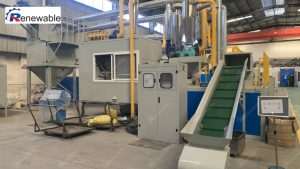
Solar Panel Recycling Process
Secondly, the recycling of waste PV modules can spawn new industrial forms and create more employment value. Looking at the current recycling process for waste PV modules in Europe, the entire operation and management process covers collection, registration, transportation, recycling, and reuse. Each stage requires a significant workforce, especially the recycling stage, which requires more specialized recycling technicians. Therefore, the recycling and reuse of waste PV modules can spawn new industrial forms and create more employment value.
The recycling path of waste PV modules is similar to that of waste lithium batteries, ultimately being sold as recycled metals. The glass of waste PV modules can be disassembled, the frame can be dismantled, and the battery bars can be crushed and sorted to separate metals such as copper, silver, and silicon. Furthermore, the recycling and reuse of waste photovoltaic (PV) modules is conducive to the green development of integrated photovoltaic (PV) solutions, thereby promoting the sustainable development of the solar energy industry.
The new energy industry is a key component and important support for low-carbon development and a green economy, while low-carbon development and a green economy are driving forces for the development of the new energy industry. The two are mutually reinforcing. Therefore, only by effectively utilizing waste PV module crushing equipment production lines and properly recycling waste PV modules within the PV industry chain can the PV industry achieve green and pollution-free operation from source to end, thereby promoting the sustainable development of the solar energy industry.