Anode plate production occurs after a conversion process during metal (e.g., copper) refining. Flash smelting produces products containing iron, sulfur, and other precious metals besides copper. During the conversion process, oxygen-enriched air is used to remove iron and sulfur. The converted copper is then fed into an anode furnace, where it is further purified to remove sulfur. Sulfur that may remain in the anode furnace during the conversion process is oxidized to sulfur dioxide by blowing air into the molten metal. Oxygen is then removed from the melt.
Copper Electrolysis Process
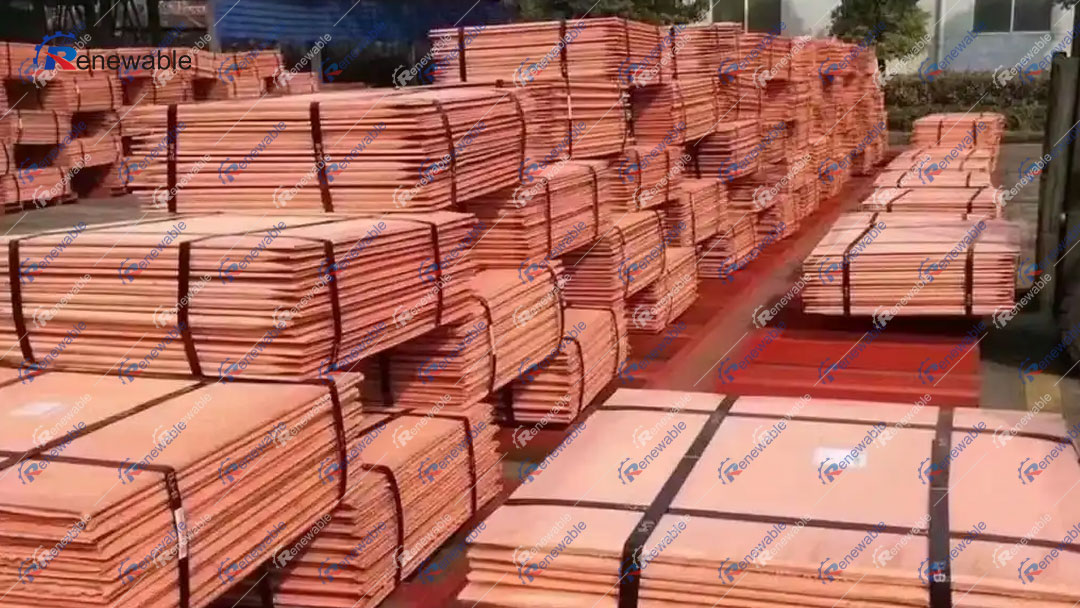
Molten copper from the anode furnace is cast into anode plates using anode casting equipment. The anode plates contain approximately 99.5% copper. Typically, the anode plates are approximately 1 meter × 1 meter in size and about 5 centimeters thick. The anodes are usually equipped with lugs to suspend them vertically for electrolysis. Typically, the anode weighs approximately 300-400 kg. The processed anode plates are then electrolytically purified to produce copper cathodes with a copper content of 99.99%.
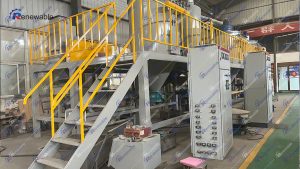
The most widely used anode casting equipment currently consists of a casting platform rotating around a vertical axis, on which multiple open molds are arranged in a circular pattern. The casting platform rotates periodically, stopping for a period of time after each rotation.
In this anode foundry, copper is conveyed from the anode furnace along a chute to the casting machine, and then further conveyed to the copper open molds. To prevent molten copper from adhering to the molds, a release agent, such as a mixture of barium sulfate and water, is applied to the molds during each cycle. The casting process includes the following steps: pouring, cooling, demolding, lifting to a cooling tank, and mold coating.
The anodes cast in the molds must be allowed to cool until the surface is completely solidified. After pouring, the temperature of the molten anodes in the mold is approximately 1150°C (its melting point is 1084°C), and they typically need to be cooled to 700-950°C within the mold for complete solidification before demolding.
At the start of casting, the initial temperature of the copper mold used for casting the anodes should not be lower than 60°C. Typically, after three casting platform cycles, the mold temperature reaches equilibrium, at which point the internal temperature of the platform is approximately 200°C, and the temperature of the central end face is approximately 150°C. To extend mold life, the mold temperature should not be too high. Furthermore, after removing the anode, the water-soluble release agent sprayed on the mold surface should be thoroughly dried to prevent burrs from forming on the anode edges. If the release agent is sprayed on an excessively cold mold surface, there will not be enough time to dry before casting begins. Maintaining the mold at an optimal temperature is crucial for the overall cooling of both the mold and the anode, thereby ensuring the casting of anodes of sufficient quality for electrolysis.