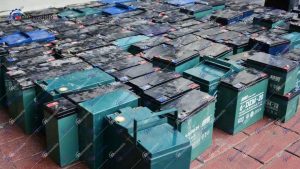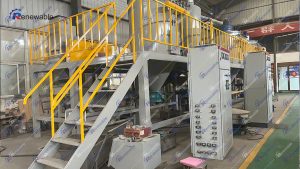
With the development of battery energy storage and the emergence and application of electronic products, the demand for lead-acid batteries is far exceeding supply, indicating huge development potential and a rapidly growing trend. However, this large-scale use of lead-acid batteries inevitably generates a large number of waste lead-acid batteries. How do we solve this thorny problem?
The first step is to recycle waste lead-acid batteries. Today, we’ll discuss the recycling methods and related smelting processes for lead-acid batteries!
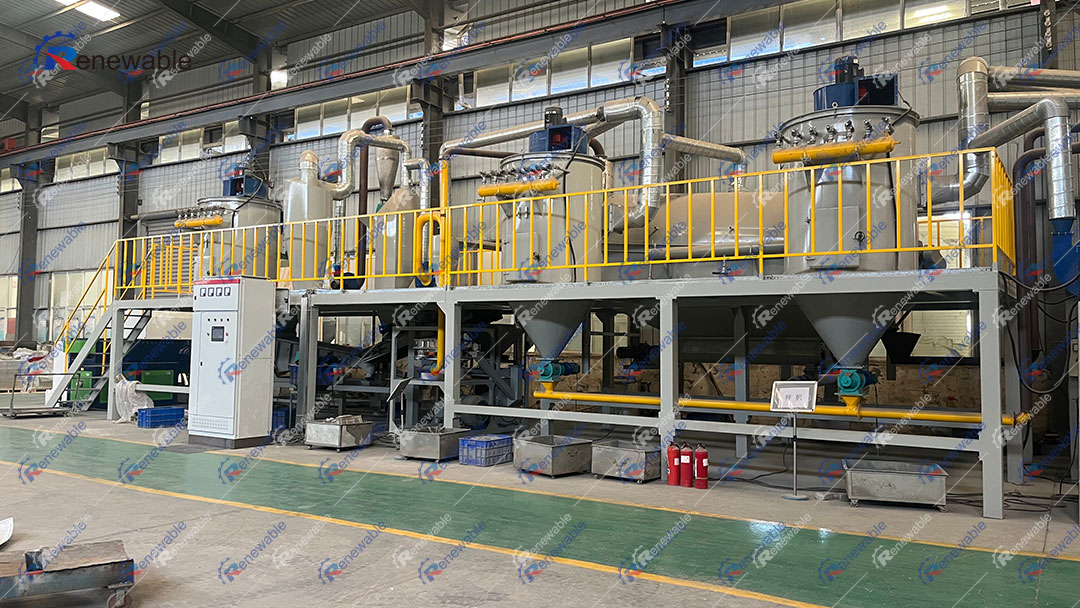
Waste Lead-acid Battery Lead Recycling Technology
Waste lead-acid battery lead recycling technology generally falls into three categories: pyrometallurgical processes, hydrometallurgical processes, and solid-phase electrolysis processes.
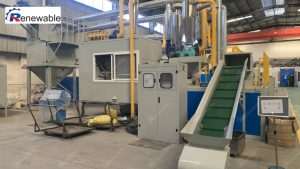
Lead-acid Battery Dismantling and Recycling
Process Flow
1. Pyrometallurgical Process
Reduction smelting is mainly used for the pyrolysis of waste lead-acid batteries. In addition to reducing agents, fluxes such as iron filings, sodium carbonate, limestone, quartz, and fluorite can be added during the smelting process.
2. Hydrometallurgical Process
The battery fragments obtained after dismantling and pre-treatment of waste lead-acid batteries are a mixture of metallic lead, lead oxide, lead salts, and other metals such as copper, silver, and arsenic.
Hydrometallurgical technology, also known as electrolysis, uses electrical energy to selectively reduce all lead compounds in the battery fragments to metallic lead. Its main characteristics are no waste gas or residue generated during the smelting process, and a lead recovery rate of 95%–97%.
The working principle of hydrometallurgical technology is to add a reducing agent to the solution. The reducing agent in the lead reduction process can be prepared from steel pickling wastewater, thus achieving the goal of “using waste to treat waste.”
3. Solid-Phase Electrolysis Process
The solid-phase electrolysis process uses sodium hydroxide aqueous solution as the electrolyte. The cathode and anode are made of stainless steel plates. During electrolysis, solid-phase lead-containing molecules in the lead slurry gain electrons from the cathode surface and are reduced to metallic lead.
The above briefly introduces the current status and process flow of waste lead-acid battery recycling at the State University of New York Group. Waste lead-acid batteries have a high lead content, and recycling them has significant economic and environmental benefits.