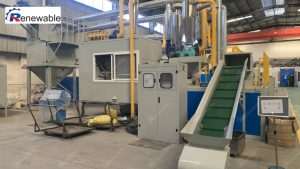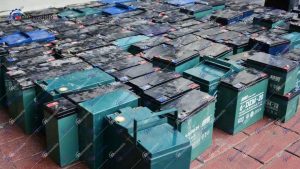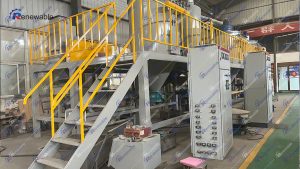
The processing and recycling of lithium-ion batteries typically requires a range of equipment and processes to ensure the safe and efficient handling of these potentially hazardous materials. Here are some commonly used equipment in lithium-ion battery processing and recycling:
Battery Sorting and Disassembly Equipment: This equipment is used to sort and disassemble different types of lithium-ion batteries. Identification and separation can be done manually or automatically based on the battery’s chemical composition, size, and other characteristics.
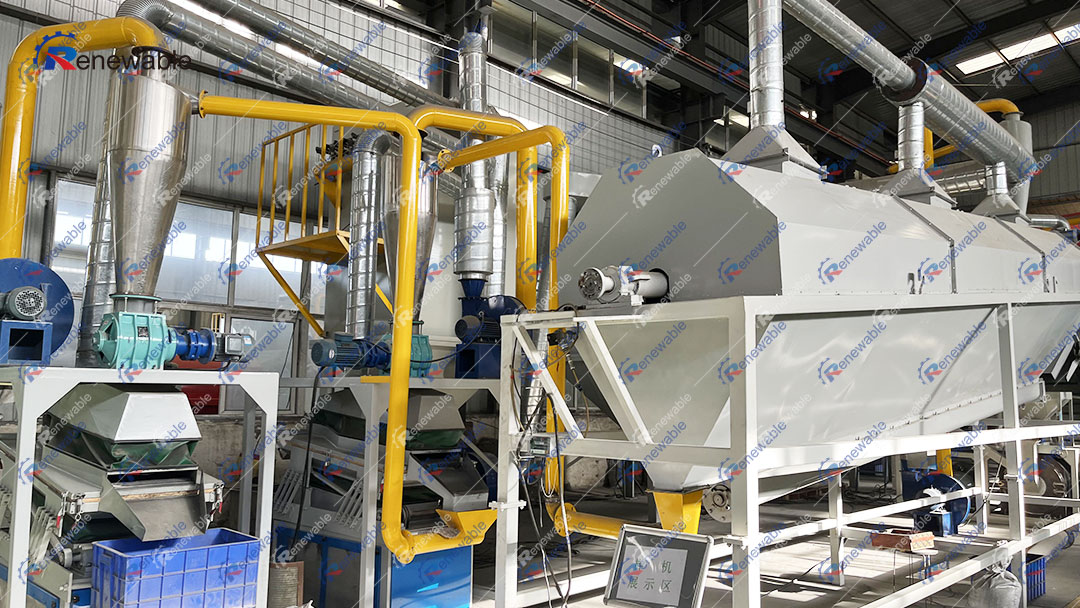
Battery Crusher: A battery crusher is used to mechanically break the battery into smaller fragments. This process helps expose the internal components of the battery for further separation.
Belt Magnetic Separator: A belt magnetic separator is a key piece of equipment that uses electromagnetic fields to separate magnetic materials. It can separate iron from crushed lithium batteries.
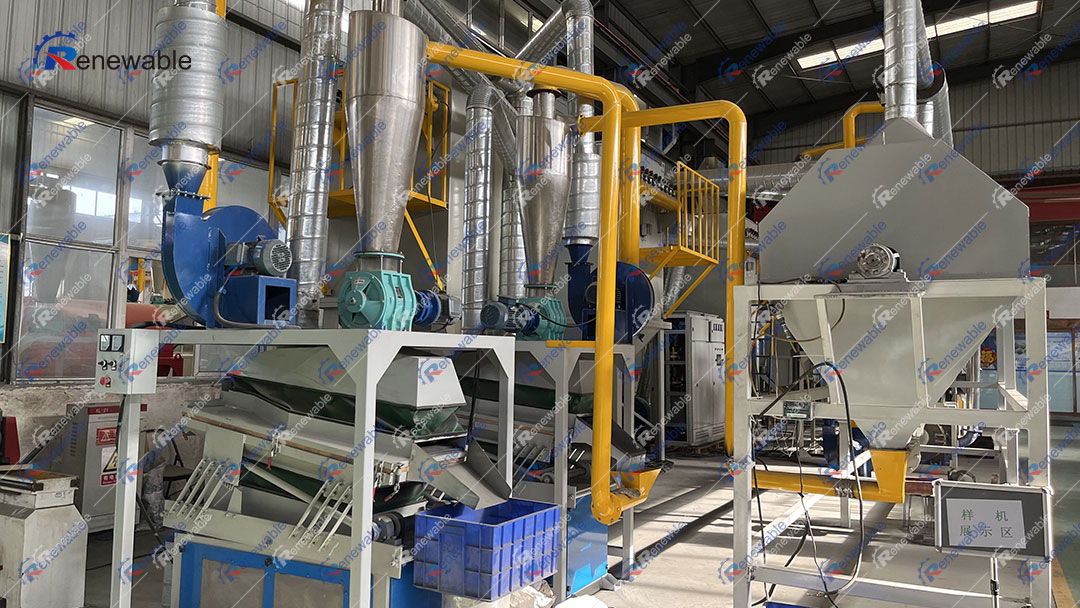
Screening and Separation Equipment: After crushing, screening and separation equipment is used to separate the different components of the battery. This equipment uses techniques such as screening, magnetic separation, and gravity separation to separate materials such as metals, plastics, and electrolytes.
High-Temperature Furnace: A high-temperature furnace is used for the heat treatment of battery components. Melting or calcining materials at high temperatures helps recover valuable metals.
Leaching and Extraction Equipment: Leaching equipment is used in chemical extraction processes. It uses solvents or acids to dissolve battery materials and extract valuable metals such as lithium, cobalt, nickel, and copper.
Electrochemical Processing Equipment: Electrochemical processing processes, such as electrolysis or electrorefining, are used to refine and purify recovered metals for reuse.
Battery Material Recycling Systems: These systems employ a variety of technologies, such as hydrometallurgy, pyrometallurgy, and machining, to recover valuable materials from lithium-ion batteries. Their goal is to maximize resource utilization and minimize waste generation.
Pulse Jet Dust Collectors: Pulse jet dust collectors are highly efficient dust removal devices that use pulse jet blowing technology to remove dust accumulated on filter bags.
Safety Equipment: Handling lithium-ion batteries requires appropriate safety measures. Personal protective equipment (PPE) such as gloves, goggles, and respiratory protection equipment must be used. Additionally, fire suppression systems, explosion-proof containers, and ventilation systems are necessary to ensure a safe working environment.
It is worth noting that lithium-ion battery recycling processes can vary depending on the specific technology, battery size, and the capacity of the recycling facility. Our equipment meets environmental protection requirements. Please contact us if you have any needs.