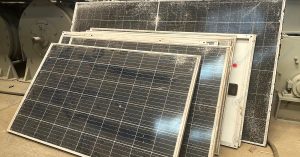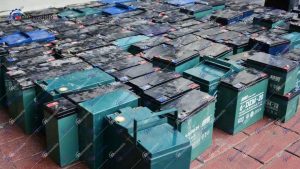
E-Waste refers to discarded electronic products that cannot be reused, such as discarded televisions, computers, refrigerators, microwave ovens, mobile phones, printed circuit boards, and batteries. Electronic waste can be divided into two categories: one is waste with relatively low environmental pollution, such as air conditioners, washing machines, and refrigerators; the other is products that are harmful to the environment, such as computers, television picture tubes, batteries, printed circuit boards, automobiles, motorcycles, and bicycles.
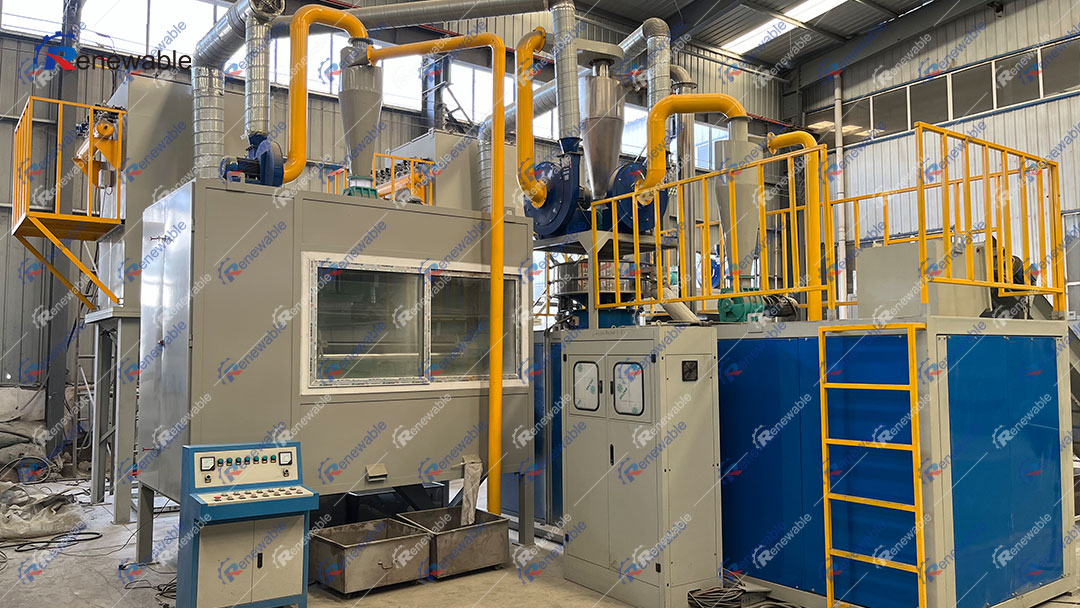
E-Waste Recycling Process
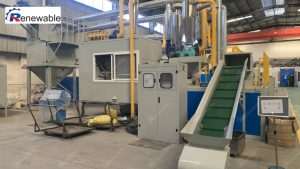
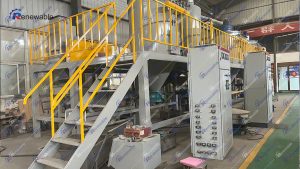
The electronic waste crushing production line achieves automated sorting of electronic waste through intelligent processes such as crushing, separation, sorting, and dust removal. It not only achieves efficient crushing but also enables subsequent resource reuse. It features high processing efficiency and high recycling value, and has become a popular electronic waste crushing solution in the market.
E-Waste PCB Recycling Equipment Structure
The working principle of the electronic waste crushing production line is to classify electronic waste according to the physical properties of different materials, including dismantling, crushing, and sorting steps. After subsequent processing, recyclable raw materials such as metals, plastics, and glass can be obtained. This processing method boasts advantages such as low cost, simple operation, minimal secondary pollution, and ease of scaling up, making it a hot topic of development in various countries.
Meanwhile, e-waste is rich in precious metals such as gold, silver, and copper, making its economic value comparable to mineral resources. After recycling, through specialized processes such as crushing, dismantling, and sorting, renewable resources such as copper, aluminum, plastics, rare metals, and precious metals can be industrially processed, possessing enormous economic value. Therefore, utilizing e-waste crushing production lines to recycle and reuse e-waste has become a major trend, and more and more companies are beginning to pay attention to the value of e-waste.