With the increasing prevalence of lithium-ion batteries in various applications, the recycling of used batteries has become crucial. Our mechanical recycling plants, specifically designed for lithium-ion batteries, have emerged as a sustainable solution to the growing problem of battery waste. This article explores the technology and processes of lithium-ion battery mechanical recycling plants, highlighting their importance in reducing environmental impact and promoting resource conservation.
Battery Collection and Sorting:
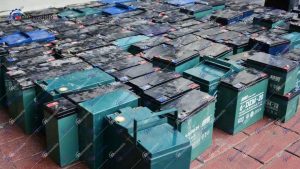
The first step in a lithium-ion battery mechanical recycling plant is the collection and sorting of used batteries. Collection centers are established to gather used batteries from various sources, including consumer electronics, electric vehicles, and energy storage systems. The collected batteries are sorted according to their type, size, and chemical composition to optimize subsequent recycling processes.
Battery Disassembly and Pre-treatment:
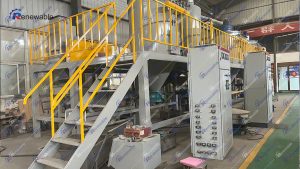
Lithium-ion Battery (Pouch Battery) Recycling Machine
After sorting, the lithium-ion batteries are discharged and pre-treated. For safety, lithium batteries must be completely discharged.
Battery Shredding and Material Recycling:
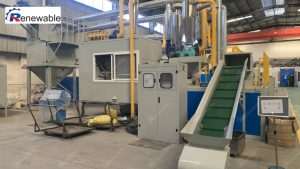
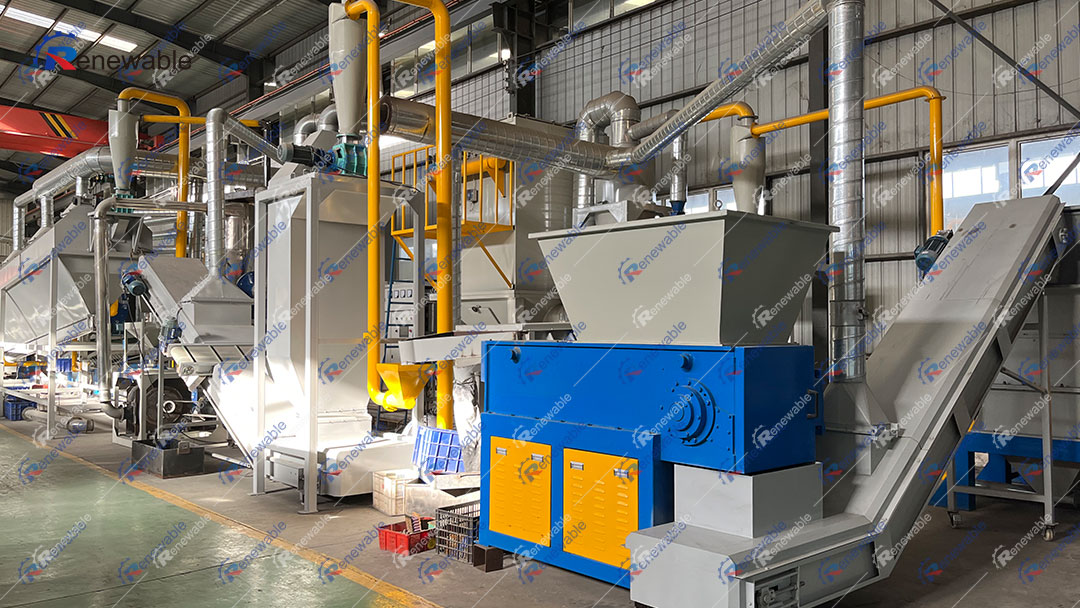
After discharge, specialized equipment is used to cut the batteries into fragments and grind them into powder. This shredding process increases the surface area of the battery materials, which is beneficial for subsequent material recycling. The broken battery fragments then undergo various separation technologies, including gravity separators, magnetic separators, and electrostatic separators, to recover valuable components such as metals (e.g., lithium, cobalt, nickel) and graphite. These recycled materials can be used to produce new batteries or for other applications.
Chemical Processing:
Some lithium-ion battery chemistry systems require additional chemical processing for optimal material recovery. Techniques such as leaching, precipitation, and solvent extraction are used to selectively recover metals from broken battery materials. This chemical processing step ensures maximum extraction of valuable resources and minimizes waste generation.
Our lithium-ion battery mechanical recycling plant offers an efficient and sustainable solution to the growing environmental problem of battery waste. The facility is equipped with advanced technologies for battery collection, sorting, dismantling, crushing, material recovery, chemical processing, and hazardous materials handling. By recovering valuable metals and materials from waste batteries, the recycling plant promotes resource conservation and reduces the need for new raw materials.