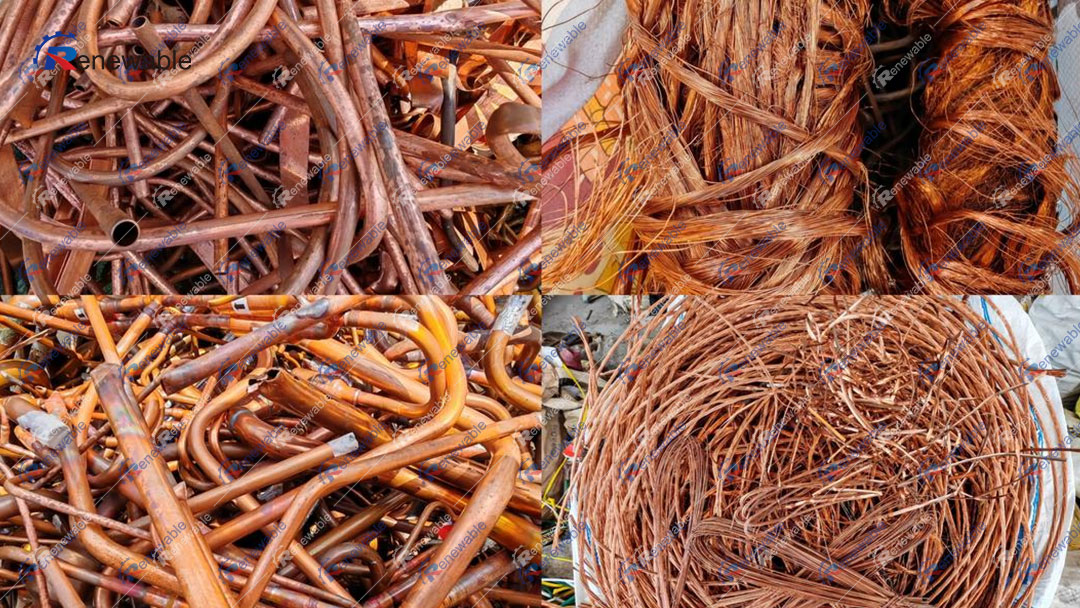
To improve the utilization rate and processing performance of scrap copper, it is necessary to remove impurities from crude copper, such as nickel, lead, and arsenic, while recovering valuable metals such as gold and silver. This is the refining process of crude copper. This process generally consists of two stages: first, the crude copper is refined into anode copper using pyrometallurgical methods; second, the anode copper is refined into electrolytic copper using electrolytic methods.
Pyrometallurgical Refining of Crude Copper
Pyrometallurgical refining is the process of producing anode copper from crude copper. Its basic principle is to blow molten crude copper into air in a refining furnace, increasing the melt’s affinity for oxygen, thereby oxidizing impurities such as zinc, iron, lead, and nickel. These impurities float on the surface of the melt as oxides, forming slag, or volatilize into the furnace gas and are discharged. By removing residual oxygen through reduction, the remaining copper can be cast into anode plates. In summary, this process can be divided into five steps: charging, melting, oxidation, reduction, and casting. In the reduction step, the mainstream reducing agents are currently ammonia, liquefied petroleum gas (LPG), and heavy oil.
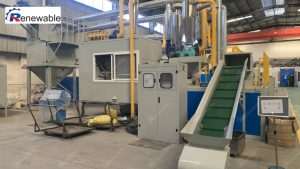
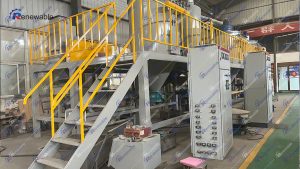
Pyrometallurgical refining equipment for crude copper.
Refining furnaces generally include stationary reverberatory refining furnaces, rotary refining furnaces, and inclined refining furnaces. Among them, rotary refining furnaces offer better refining effects, higher product quality, energy savings, lower production costs, and significant economic benefits.
The refined product, in addition to the anode plates (containing 99.2%–99.7% copper), also contains slag, furnace gas, and flue gas. The slag has a high copper content, approximately 10%–30%, and generally needs to be purged in a rotary kiln or added to a blast furnace for further treatment. The furnace gas generally consists of O₂, CO₂, and CO, and does not contain SO₂, so it can be directly emitted.
Electrolytic refining of anode copper.
Through electrolysis, crude copper is used as the anode, pure copper as the cathode, and a solution containing copper ions is used as the electrolyte. Copper dissolves from the anode and precipitates at the cathode. Inactive impurities in crude copper do not dissolve, forming anode sludge that settles at the bottom of the electrolytic cell; while active impurities dissolve at the anode but cannot precipitate at the cathode. Therefore, high-purity copper can be obtained through cathodic electrolysis.
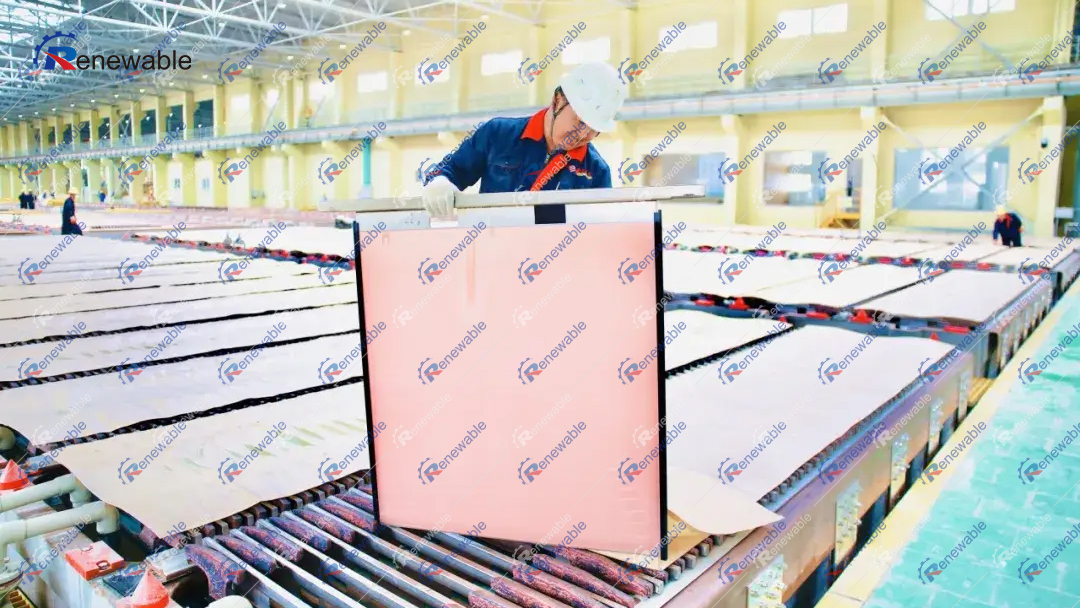
Main Equipment for Copper Electrolytic Refining
(1) Electrolytic Cell
The electrolytic cell is the main equipment in a copper electrolysis workshop. It is a rectangular tank containing anode and cathode plates, which are suspended alternately. The tank has liquid discharge outlets and sludge discharge outlets.
The electrolytic cell is usually constructed of reinforced concrete and lined with anti-corrosion resin, which supports the cathode and anode and provides acid protection. The electrolytic cells are placed sequentially on support beams, which are covered with insulating material to prevent the electrolytic cells from conducting electricity to the ground.
(2) Cathode Manufacturing Unit
The function of this unit is to fabricate cathodes from copper sheets embossed and riveted (rod perforation) on titanium mother plates, and then place the cathodes at intervals for crane lifting.
Due to its special function, the cathode manufacturing unit must be manufactured by a specialized manufacturer. During the design and manufacturing process, the thickness of the copper sheet and the processing capacity of the riveting lugs should be considered.
(3) Anode Processing Unit
The function of this unit is to process the fire-refined anode plates to meet the standards required for the electrolytic process. The process flow of this unit includes: anode plate surface flattening, lug trimming, lug pressing, and anode plate spacing adjustment.
During the design and manufacturing process of the anode processing unit, the quality of each hydraulic seal and the processing capacity of the anode plates should be fully considered.
(4) Copper Washing Unit
The function of this unit is to clean, dry, extract conductive rods, stack, package, and weigh the copper after it has exited the tank. Many domestic electrolytic copper production enterprises do not use this unit and instead rely on manual labor to complete all operations.
(5) Residual Electrode Unit
The function of this unit is to clean, stack, package, and weigh the residual electrodes after they have exited the tank, and then send the packaged residual electrodes to the hot refining and remelting process. Due to the simplicity of this unit’s function, many domestic electrolytic copper production enterprises do not use this unit and instead rely on manual labor to process the residual electrodes.