Due to the widespread use of lithium-ion batteries in electric vehicles and electronic devices, their demand is rapidly increasing. Therefore, efficient and environmentally friendly lithium-ion battery recycling equipment and systems have become crucial. This article provides a comprehensive overview of lithium-ion battery recycling equipment and systems, discussing the challenges, innovative developments, and future prospects of the industry.
1. Growing Demand for Lithium-ion Battery Recycling Equipment and Systems
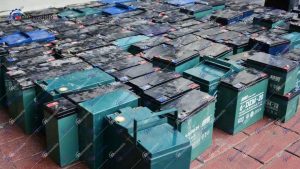
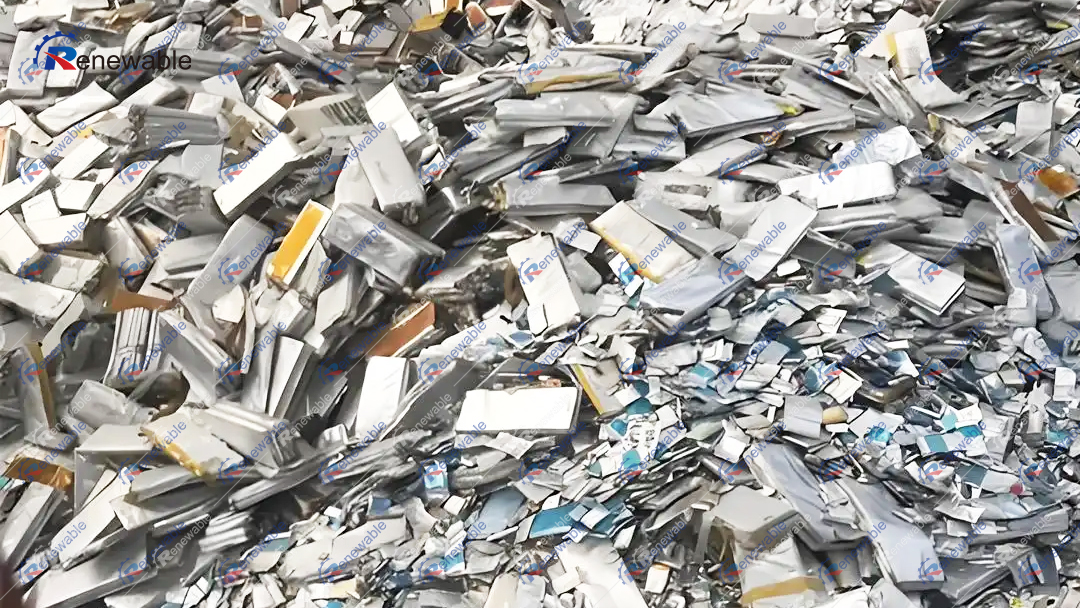
The rapid development of lithium-ion batteries and the surge in market demand have led to a significant increase in the production of waste batteries. Furthermore, battery production also generates waste. Recycling this waste in an environmentally friendly, economical, and efficient manner can not only eliminate its risks to the environment and public health but also provide raw materials for lithium-ion battery production, further reducing resource consumption.
To effectively recycle waste lithium-ion batteries, we are developing and constructing a dedicated production line and complete set of equipment using advanced technologies for the crushing and sorting of waste lithium-ion batteries. As an experienced lithium battery recycling solution designer and equipment manufacturer, SUNY GROUP has provided numerous customers with innovative lithium-ion battery crushing and separation equipment for the efficient and sustainable processing of waste lithium-ion batteries.
Lithium Battery Sales Regions
2. Challenges in Recycling Used Lithium-ion Batteries
Due to the complex composition of used lithium-ion batteries, including metals such as nickel, cobalt, manganese, and lithium, as well as electrolytes and organic solutions, recycling them faces numerous challenges. Improper disposal of these batteries can cause serious environmental damage and waste valuable resources. Furthermore, the chemical reactions inside the batteries can lead to increased ambient temperatures, and thermal runaway can easily cause safety hazards such as combustion, fire, and explosion. Therefore, the recycling process for lithium-ion batteries is more challenging.
The main challenges in lithium-ion battery recycling include:
Currently, there is a lack of globally unified standards for lithium-ion battery recycling.
The composition and proportions of lithium batteries vary, making it difficult to directly recycle high-value materials such as positive and negative electrode materials.
3. Recyclability of Used Lithium-ion Batteries
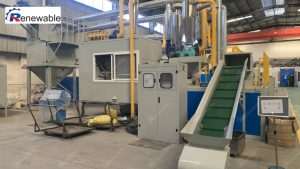
The processing of used lithium-ion batteries is complex, requiring a thorough understanding of specific process conditions and specialized equipment configurations to ensure the overall equipment is more environmentally friendly. SUNY GROUP has developed a complete process solution for processing used lithium-ion batteries and a complete set of used lithium-ion battery crushing and sorting equipment. Using these processes and equipment, up to 95% of the valuable components in spent lithium batteries can be recycled, including the separation of battery casings, copper, aluminum, and black powder.
4. Key Components of Lithium-ion Battery Recycling Equipment and Systems
New Lithium-ion Battery Recycling Equipment
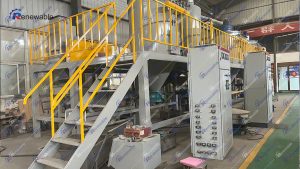
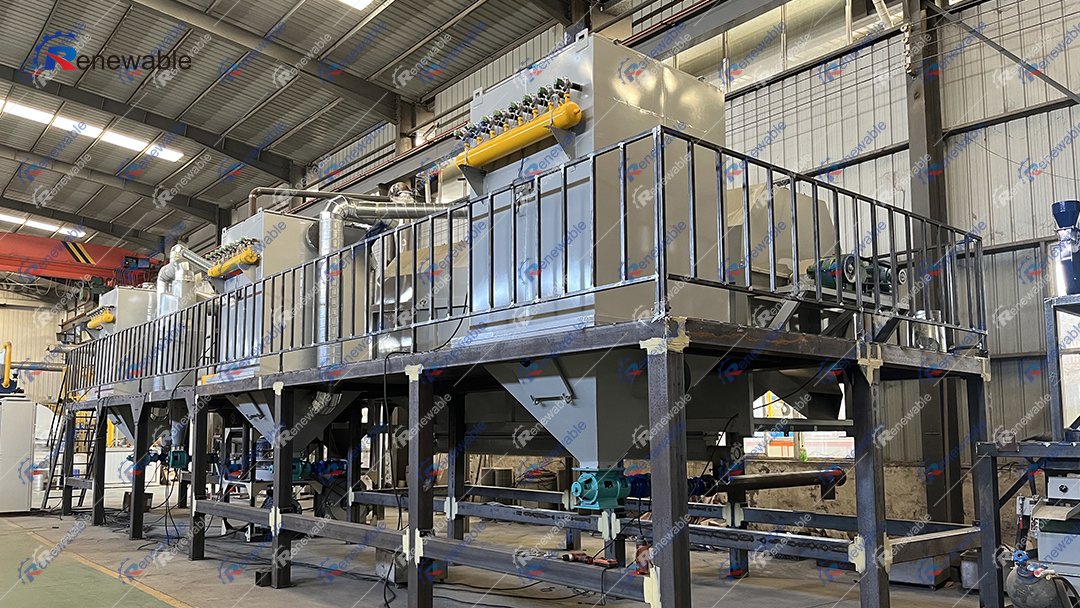
A lithium-ion battery recycling facility consists of the following basic equipment:
Crusher: This system breaks large fragments of spent lithium batteries or parts of the battery module into smaller pieces for subsequent processing.
Pulverizer: This machine pulverizes spent batteries into even smaller fragments for easier transport.
Pyrolysis System: This technology removes separators, electrolytes, organic matter, and other contaminants.
Separator: This machine separates various materials from spent batteries, such as copper.
Separation System: This system is used in various process stages to separate black powder, casings, copper-aluminum mixtures, etc.
Stripping System: The stripping system simultaneously separates the copper-aluminum mixture, black powder, and black powder adhering to the separated copper-aluminum mixture.
Exhaust Gas Treatment System: Pyrolysis exhaust gas is treated to meet standards before being discharged.
5. Innovative Design of Lithium-ion Battery Recycling Machinery and Systems
One of the key innovations in lithium-ion battery recycling machinery and systems is the dry processing technology for waste lithium-ion batteries. The entire process includes efficient stripping, power generation-controlled energized crushing, oxygen-controlled pyrolysis, sorting, and environmentally friendly exhaust gas treatment.
Low Cost, High Efficiency: No Discharge Required Before Recycling
Typically, waste lithium-ion batteries store or retain electrical energy. To ensure the safety of the crushing process, brine or discharge treatment is usually used. Discharge treatment is more difficult, and
ischarge is not complete, and the cycle is long. This results in higher disposal costs and reduced economics.
Our company waste lithium ion battery crushing and sorting equipment adopts an innovative design, so that lithium batteries do not need to be discharged before crushing. Ensure the safety and stability of the entire crushing process, and completely block the possibility of explosion, combustion and harmful gas diffusion. Therefore, the whole crushing process is safe, efficient and cost-effective.
·Wide processing range
The new lithium-ion battery recycling machine can be fully selected for recycling, and it can recycle all kinds of lithium batteries used by many mobile phones, laptops and other electronic equipment companies.
Lithium batteries are available in three packaging forms: cylindrical, square, soft and hard. Ternary batteries include lithium iron phosphate, lithium cobalt oxide, lithium manganese oxide, etc. SUNY GROUP has developed a complete set of crushing and sorting equipment for waste lithium-ion batteries, which can process all the above-mentioned types of batteries at one time.
6. Lithium-ion battery recycling process
Lithium battery recycling flow chart
we our has adopted a full-component, high-efficiency clean recovery process technology on the waste lithium-ion battery crushing and sorting equipment. This complete set of equipment can meet the centralized disposal of lithium-ion batteries of different systems and specifications to the greatest extent.
Under the protective atmosphere, the oxygen-controlled charging and crushing technology is used to overcome the environmental pollution caused by the long duration of the typical discharge and crushing process and the leakage of the electrolyte of the damaged battery. After crushing, the particle size of the product is uniform, the material is loose, and there is no wrapping phenomenon.
Under the protective atmosphere, the oxygen-controlled pyrolysis technology can choose to keep the diaphragm or pyrolyze the diaphragm. By pyrolyzing the separator, the electrolyte and binder molecular chains can be completely broken, providing a pretreatment solution for further process requirements.
To meet the necessary emission limits, the pyrolysis gases are systematically collected, fully catalytically oxidized, and then completely combusted.
The pyrolyzed material is sorted and stripped. Valuable metals such as copper, aluminum, and shells can be obtained, as well as high-quality black powder.
7. Lithium-ion battery recycling business: new development focus
Li-ion battery recycling business is profitable as many companies have started using this type of batteries in their products. It is also a very successful business strategy as the demand for lithium-ion batteries is increasing and is expected to grow even more in the coming years.
Lithium batteries are widely used in electric vehicles and electronic devices. In recent years, the global demand for lithium batteries has grown significantly. However, the environmental damage caused by lithium batteries is also increasing. Therefore, it is necessary to recycle these old lithium batteries, which has become a new development direction for many factories.
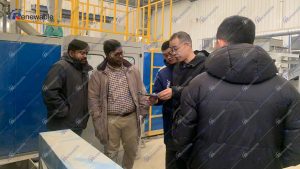
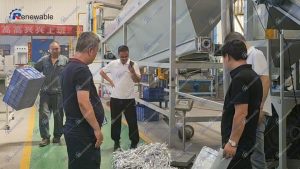
Lithium battery recycling customer site
8. The future of Li-ion battery recycling equipment and systems
As the lithium-ion battery market continues to grow and concerns about environmental issues increase, the demand for efficient and environmentally friendly lithium-ion battery recycling equipment and systems will continue to rise. Innovations in recycling technologies, increased compliance, and the development of global standards for lithium-ion battery recycling will play a key role in shaping the future of the industry.
The lithium-ion battery recycling business offers businesses and entrepreneurs a significant opportunity to contribute to environmental protection and resource conservation while generating profits. By staying informed about the latest technologies and best practices in lithium-ion battery recycling, businesses can seize these opportunities and contribute to a more sustainable future.